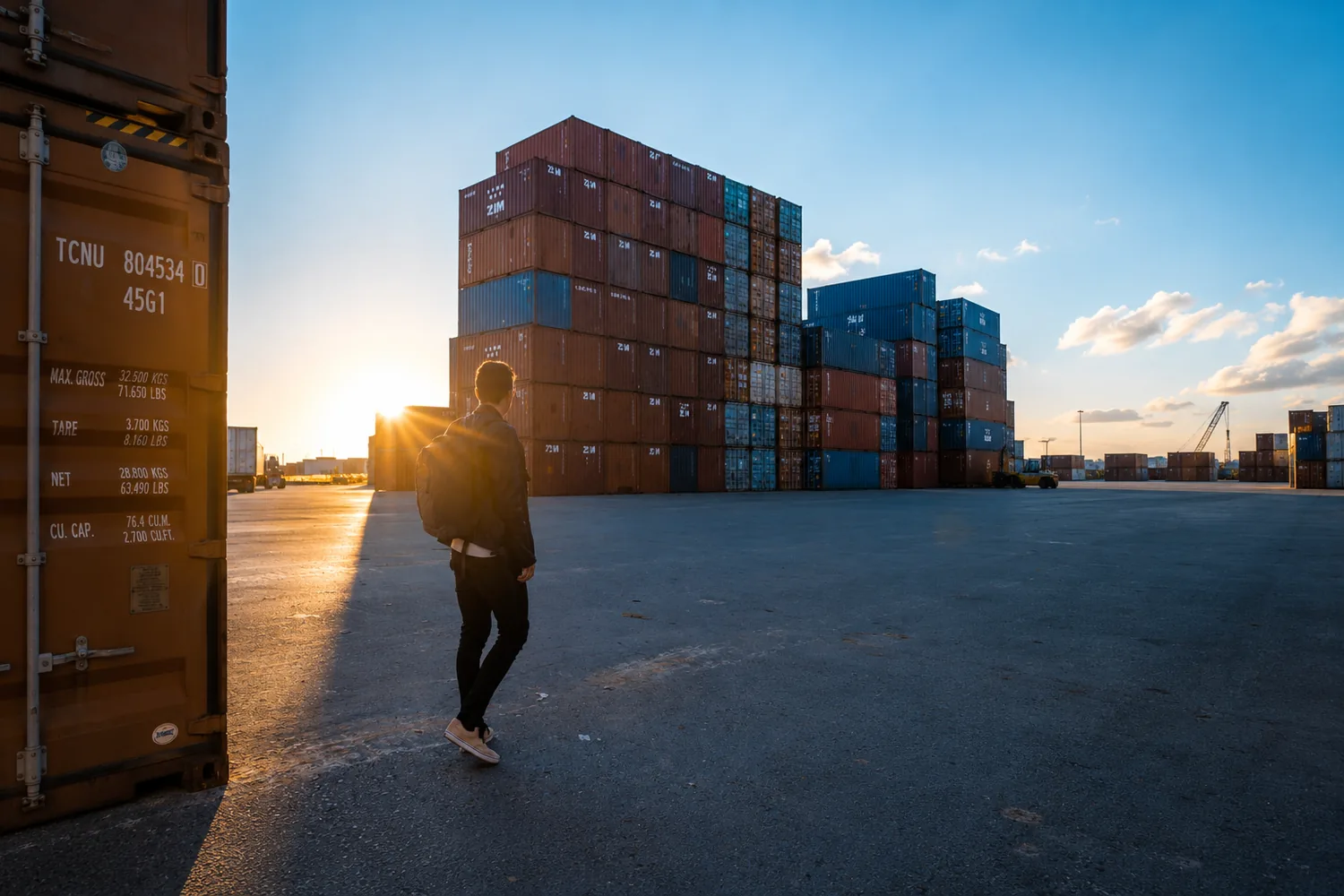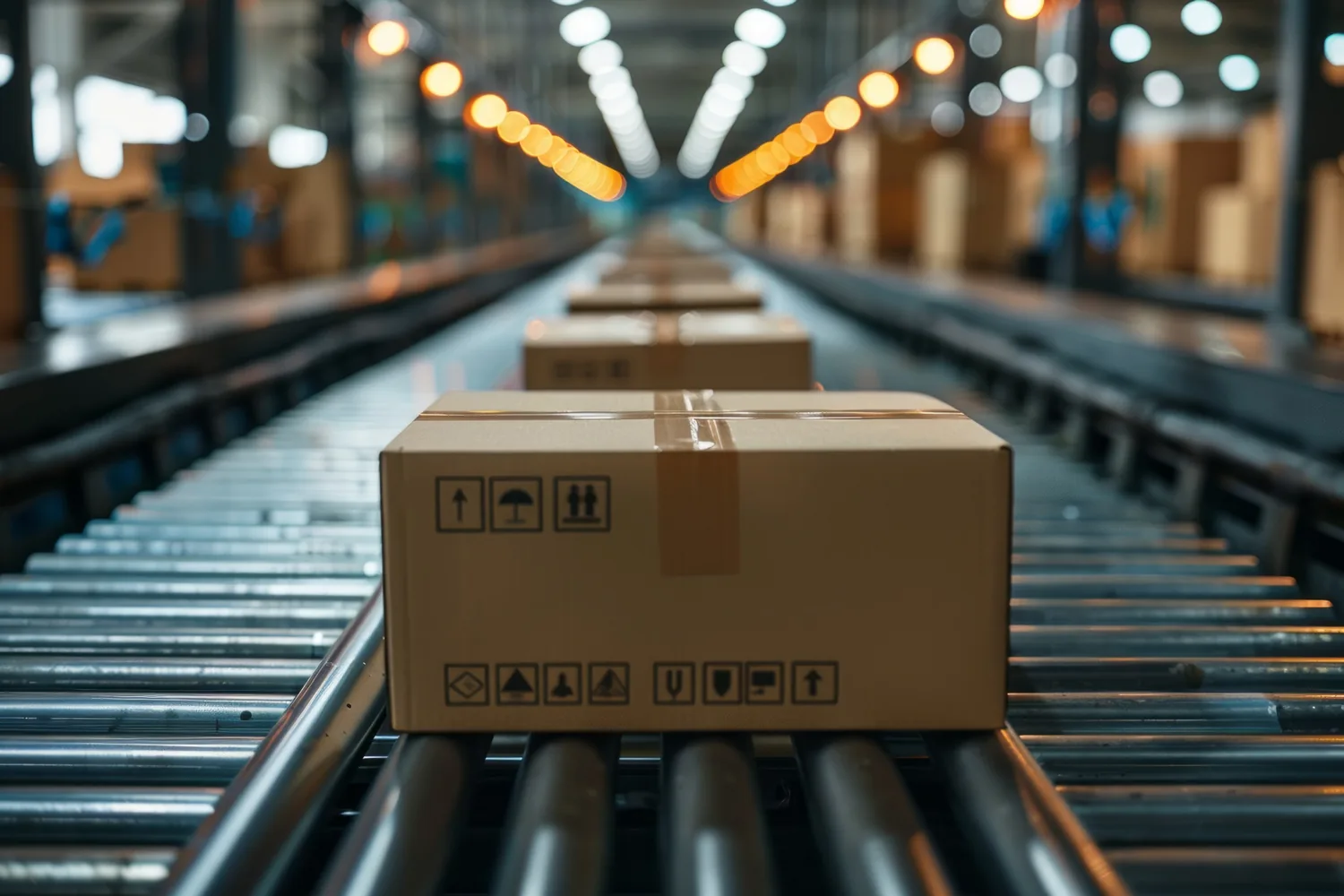
Running an online store is about much more than selling products. Behind every successful order is a well-organized logistics process. It keeps products stored safely, packed correctly, and delivered to customers on time. Whether you're a small business or a growing brand, understanding ecommerce logistics can help you improve customer satisfaction and grow your business more efficiently.
What is Ecommerce Logistics?
Ecommerce logistics is the process of managing products from the moment they are received from a supplier until they reach the customer's doorstep. It includes storing inventory, processing orders, packing and labeling products, arranging shipping, and handling returns. A reliable logistics system helps businesses deliver orders quickly while providing customers with a smooth shopping experience.
The Key Components of Ecommerce Logistics
The main parts of ecommerce logistics include inventory management, warehousing, order processing, packing, shipping, delivery, and returns. Each step works together to ensure customers receive the right products on time.
Warehousing and Inventory Management for Ecommerce
A warehouse is where products are stored before they are sold. Good inventory management ensures that the right products are always available when customers place an order. By keeping accurate stock records, businesses can avoid running out of popular items or holding excess inventory, saving both time and money.
Order Fulfilment – Getting Products to Customers Fast
Order fulfilment begins as soon as a customer places an order. The product is picked from storage, carefully packed, and prepared for shipment. A fast and accurate fulfilment process not only improves delivery times but also builds customer trust. Customers are more likely to return when they receive the correct products quickly and in excellent condition.

Returns Management – The Overlooked Part of Ecommerce Logistics
Returns are a normal part of ecommerce, and having a simple returns process is essential. Customers appreciate clear return policies and quick refunds or replacements when needed. An efficient returns system helps businesses maintain customer confidence while allowing returned products to be inspected, restocked, or replaced where appropriate.
Scaling Your Logistics as You Grow
As your online business grows, so will the number of orders you need to manage. This may require additional warehouse space, better inventory systems, or partnerships with experienced logistics providers. Planning ahead ensures your business can continue to deliver excellent service, even during busy sales periods or seasonal peaks.
Ecommerce Logistics Costs – What to Expect
Logistics costs are an important part of running any ecommerce business. These may include warehousing, inventory storage, order picking and packing, packaging materials, shipping charges, and return processing. Understanding these costs helps businesses set competitive prices while protecting their profit margins.
Final Thoughts
Ecommerce logistics is the backbone of every successful online business. From managing inventory and fulfilling orders to handling returns and scaling operations, every stage plays a role in delivering a positive customer experience. Investing in efficient logistics not only improves day-to-day operations but also helps businesses build trust, increase repeat sales, and support long-term growth.
Ready to Simplify Your Ecommerce Fulfilment?
Getting ecommerce fulfillment right is a key factor in online business growth. It helps you scale smoothly and avoid late deliveries. It also prevents stock issues and constant firefighting.
At Mercium, we help eCommerce and Amazon sellers take that weight off their shoulders from FBA prep and FBM pick-and-pack, to returns handling and duty-free bonded storage that eases cash flow as you grow. Whether you're shipping through Amazon, Shopify, eBay, or Etsy, our team handles the logistics so you can focus on sales.
Get a quote today and see how a tailored fulfillment solution can support your business.