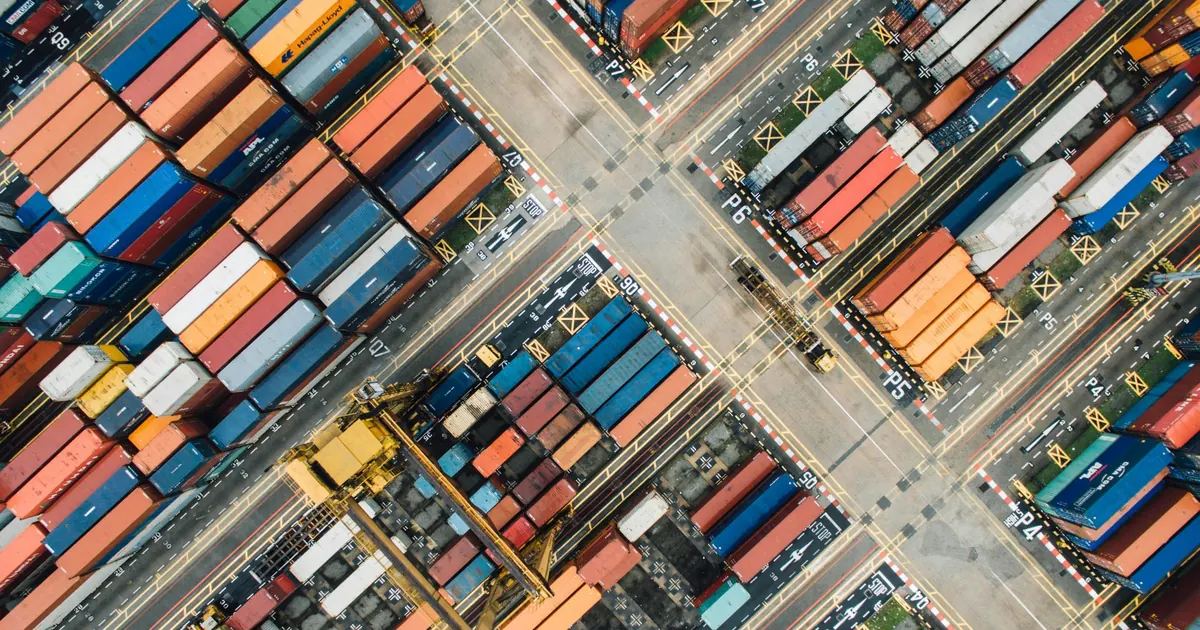
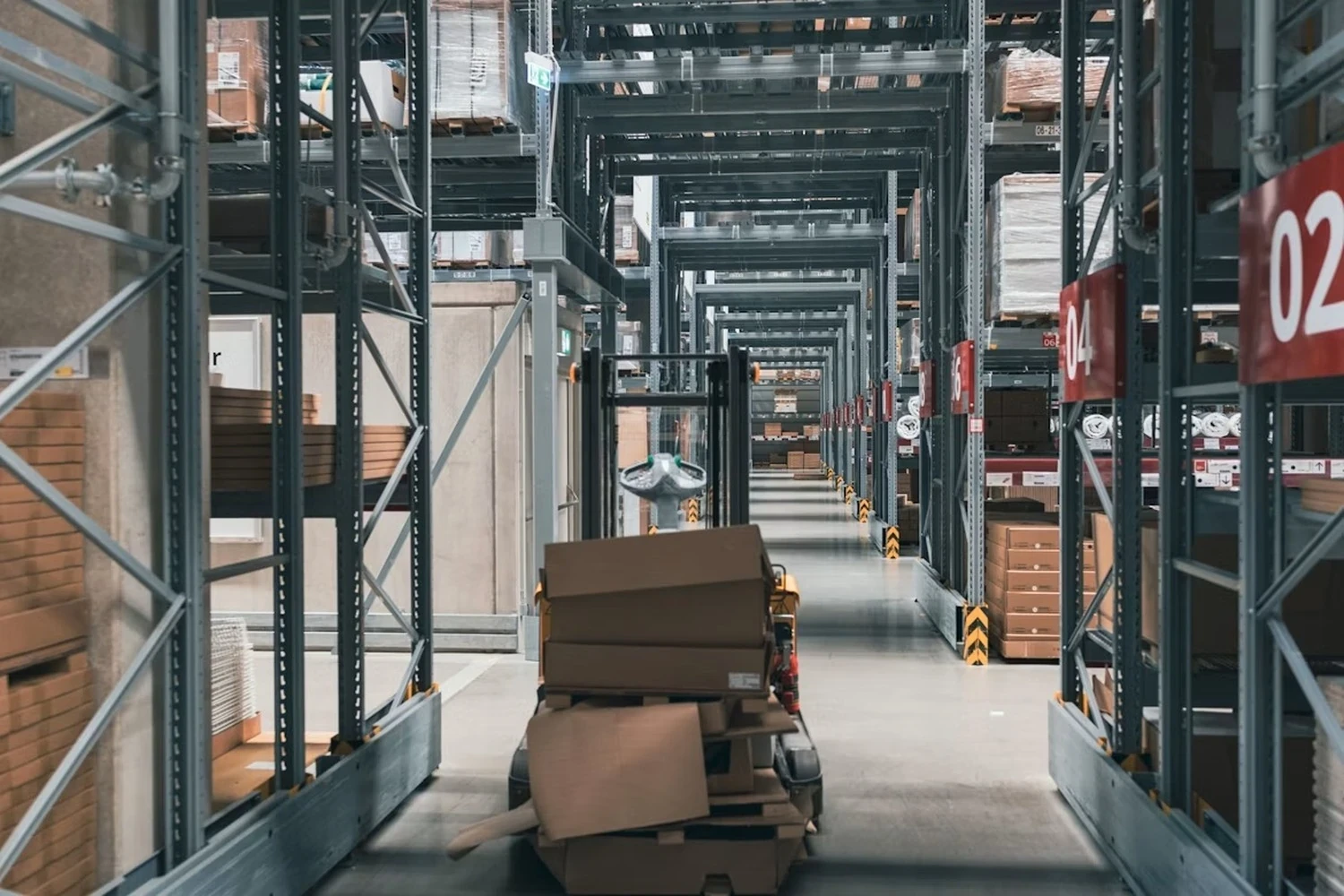
Managing a wide variety of shipments across different industries, countries, and transport modes offers deep insights into the realities of global logistics. From urgent air freight and complex sea freight movements to time-sensitive road deliveries, each shipment reveals the intricacies of the supply chain.
Freight forwarding is often likened to conducting an orchestra: when every component works together, the performance is seamless, but if even a single document goes missing, the entire process can falter. This article explores practical insights into how freight forwarding works, why it matters, and how businesses can make smarter logistics decisions in an increasingly connected world.
What Is Freight Forwarding?
When you order a product from the other side of the world, you probably don't think about the hundreds of decisions made before it reaches your door. Someone does, and that's where freight forwarding begins.
Global trade has made it easier than ever for businesses to buy and sell products across the world. Whether you're importing raw materials, exporting finished goods, or expanding into international markets, getting your products from one country to another is a vital part of your business.
However, international shipping involves much more than loading goods onto a ship or aircraft. Every shipment must be carefully planned, documented, transported, cleared through customs, and delivered to its final destination. Managing this process can be challenging, particularly if you're unfamiliar with international trade regulations.
This is where freight forwarding comes in. A freight forwarder takes care of the logistics behind your shipment, coordinating every stage of the journey so your goods arrive safely, efficiently, and in compliance with customs requirements. In this guide, we'll explain what freight forwarding is, how it works, the services a freight forwarder provides, and how to choose the right logistics partner for your business.
How Freight Forwarding Works – Step by Step
Every shipment is unique, but the freight forwarding process generally follows the same key stages.
Understanding Your Shipping Requirements
The first step is understanding your shipping needs. Your freight forwarder will assess the type of goods you're transporting, their size/dimensions and weight, the destination, your preferred delivery timeframe and your budget.
This information helps determine the most suitable transport solution.
Planning the Shipment
Once the shipment details have been confirmed, the freight forwarder selects the most efficient route and transportation method. Depending on your requirements, this may involve air freight, sea freight, road freight, or a combination of these services.
Preparing Shipping Documentation
Accurate documentation is essential for international trade. Even a small error can result in customs delays, additional charges, or delivery disruptions.
Common shipping documents include:
Commercial Invoice
Packing List
Air Waybill (AWB)
Bill of Lading (B/L)
Certificate of Origin
Import and export customs declarations
An experienced freight forwarder carefully checks these documents to ensure they meet all regulatory requirements.
Customs Clearance
Before goods can enter or leave a country, they must be cleared by customs authorities.
Freight forwarder or customs broker prepares and submits the required declarations, ensuring duties, taxes, and regulatory requirements are handled correctly. Proper customs management helps reduce delays and keeps your shipment moving.
International Transportation
Once customs formalities have been completed, the cargo begins its journey.
Throughout transit, your freight forwarder monitors the shipment, works closely with carriers, and provides regular updates so you always know where your goods are.
Final Delivery
After arriving at the destination and completing import customs clearance, the goods are released for final delivery.
Whether the shipment is being delivered to a warehouse, retail premises, or manufacturing facility, a good freight forwarder coordinates the final stage to ensure a smooth and timely delivery.
The Key Services a Freight Forwarder Provides:
Many people assume a freight forwarder's job begins and ends with booking transport. In reality, freight forwarding is a complete logistics solution that brings together multiple services to ensure your goods move efficiently, compliantly, and on schedule.
A professional freight forwarder acts as the central point of contact, coordinating every stage of the shipping process so you don't have to manage multiple providers yourself. From collection to final delivery, they oversee the details that keep your supply chain running smoothly.
Key freight forwarding services include:
Import and Export Logistics: Managing international shipments from origin to destination while ensuring compliance with local and international regulations.
Air Freight: Fast and reliable solutions for urgent, high-value or time-sensitive cargo.
Sea Freight: Cost-effective transportation for full container loads (FCL), less than container loads (LCL) and bulk shipments.
Road Freight: Flexible transport for domestic deliveries, regional distribution, and the final leg of international shipments.
Customs Clearance: Preparing and submitting customs declarations to help goods move through borders without unnecessary delays.
Documentation Management: Handling essential shipping documents, including commercial invoices, packing lists, Bills of Lading, Air Waybills, and customs paperwork.
Cargo Consolidation: Combining smaller shipments into a single consignment to improve efficiency and reduce transportation costs.
Warehousing and Storage: Providing secure storage solutions before, during, or after transit to support your supply chain.
Door-to-Door Delivery: Coordinating the complete journey from the supplier's premises to the final delivery address.
Cargo Insurance: Helping protect your goods against unforeseen events during transportation.
Shipment Tracking: Providing regular updates and visibility so you always know where your cargo is.
Customs and Trade Advice: Offering practical guidance on customs procedures, import regulations, commodity codes, and international trade compliance.
Bringing all these services together under one experienced logistics partner simplifies international shipping, reduces administrative work, and minimises the risk of costly delays or compliance issues.
After all, successful freight forwarding isn't just about moving goods—it's about making the entire journey feel effortless for the customer.
Air Freight vs Sea Freight vs Road Freight
One of the most common questions businesses ask is, "Which shipping method is right for my cargo?" The answer isn't always straightforward. The best mode of transport depends on several factors, including the type of goods you're shipping, your delivery deadline, budget, and destination.
Each transport method offers its own advantages, and understanding the differences can help you make informed logistics decisions.
Air Freight – When Speed Matters Most
If time is your highest priority, air freight is the clear winner. It's the fastest way to move goods internationally and is often chosen for urgent, high-value, or time-sensitive shipments where every day counts. Best suited for:
High-value products
Medical equipment and pharmaceuticals
Electronics
Perishable goods
Emergency or time-critical shipments
Advantages:
Fast transit times
Reliable flight schedules
Enhanced security for valuable cargo
Reduced inventory holding costs
Things to Consider:
Higher transportation costs than other freight options
Weight and size restrictions may apply
Professional insight: Air freight may cost more, but when production deadlines or customer commitments are at stake, speed often outweighs the additional expense.

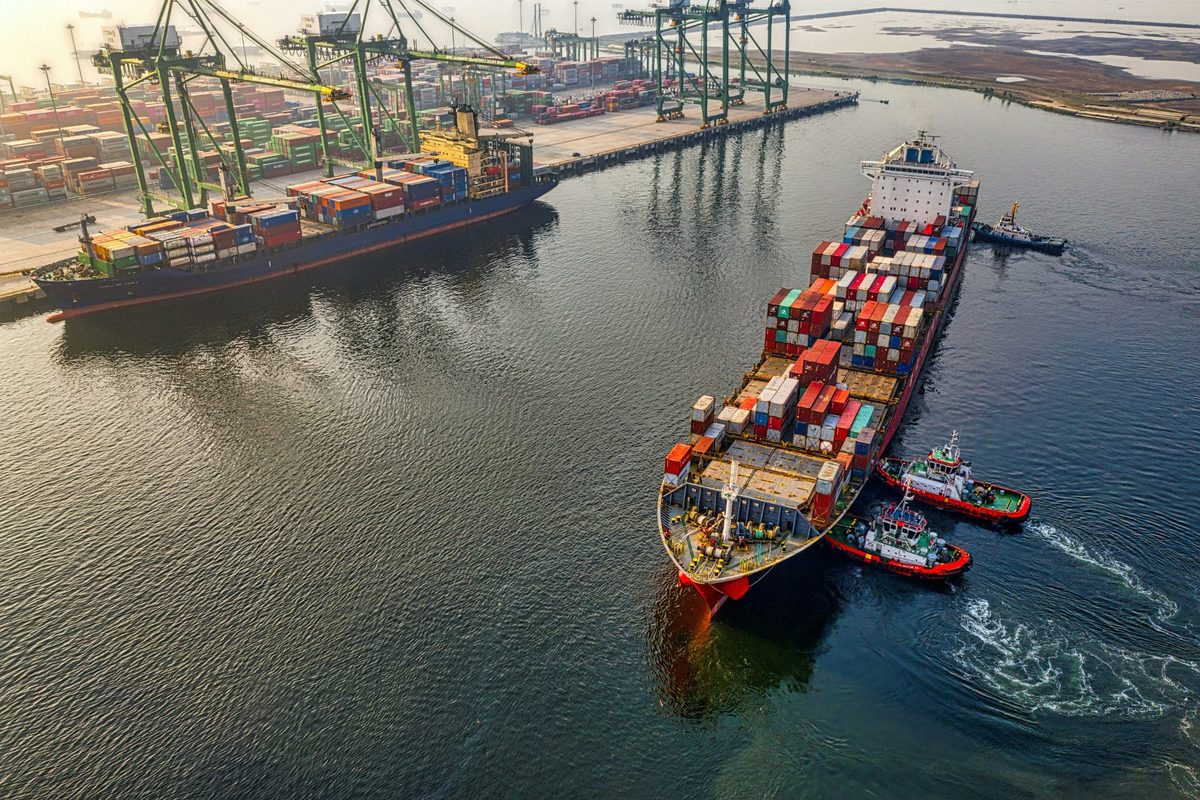
Sea Freight – The Cost-Effective Choice for Large Shipments
When shipping large volumes or heavy cargo internationally, sea freight is often the most economical solution. Although transit times are longer, it offers excellent value for businesses that plan their supply chain in advance. Best suited for:
Full Container Loads (FCL)
Less than Container Loads (LCL)
Bulk cargo
Heavy machinery
Commercial imports and exports
Advantages:
Lower transportation costs
Ideal for high-volume shipments
Suitable for oversized and heavy cargo
Cost-effective for long-distance international trade
Things to Consider:
Longer transit times
Possible delays due to weather conditions or port congestion
Professional insight: Sea freight rewards good planning. Businesses that forecast demand accurately can achieve significant cost savings without compromising efficiency.
Road Freight
Road freight is commonly used for domestic deliveries and regional transport, as well as collecting and delivering cargo to ports and airports.
Best for: Local deliveries, Regional distribution, Door-to-door transport.
Advantages: Flexible collection and delivery, Cost-effective for shorter distances, Excellent connectivity with other transport modes.
Things to Consider: Traffic and border delays may affect delivery times, Less suitable for long-distance international shipments without multimodal transport.
The right solution will depend on your cargo, destination, delivery schedule, and overall logistics strategy.

Which Freight Option Is Right for Your Business?
There is no one-size-fits-all solution in freight forwarding. The right choice depends on balancing speed, cost, cargo type, and delivery requirements.
An experienced freight forwarder will assess your shipment and recommend the most efficient transport method—or even combine air, sea, and road freight into a multimodal solution that delivers the best overall value.
After all, successful logistics isn't about choosing the fastest or the cheapest option—it's about choosing the smartest one for your business.
When Do You Need a Freight Forwarder?
Many businesses assume freight forwarders are only necessary for large multinational companies. In reality, businesses of all sizes can benefit from professional freight forwarding services.
You may need a freight forwarder if you:
Import products from overseas suppliers
Export goods to international customers
Require assistance with customs procedures
Need reliable door-to-door logistics
Ship goods regularly
Want to reduce transportation costs
Need support managing shipping documentation
Are expanding into new international markets
Working with an experienced freight forwarder allows you to focus on growing your business while your logistics are managed by specialists.
How to Choose the Right Freight Forwarder for Your Business
Selecting the right freight forwarding partner is an important business decision.
When comparing providers, consider the following factors:
Industry Experience: Choose a freight forwarder with experience handling shipments similar to yours. Industry knowledge helps anticipate challenges and provide practical solutions.
Customs Expertise: International trade regulations change regularly. A freight forwarder with strong customs knowledge can help ensure your shipments remain compliant and avoid unnecessary delays.
Communication: Clear communication is essential. A reliable freight forwarder keeps you informed throughout the shipping process and responds promptly whenever you need assistance.
Global Network: An established network of carriers, overseas agents, and logistics partners enables smoother transportation and more competitive shipping solutions.
Transparent Pricing: A professional freight forwarder provides clear quotations and explains any charges upfront, helping you avoid unexpected costs later.
How Much Does Freight Forwarding Cost?
It may be tempting to choose the lowest quote, but it's important to consider the overall value of the service. Accurate documentation, efficient customs clearance, and reliable communication can often save far more than the initial difference in price.
Freight forwarding costs vary because every shipment is different. The final price depends on factors such as:
Shipment size and weight
Origin and destination
Transport method
Type of goods
Customs duties and taxes
Fuel surcharges
Warehousing requirements
Cargo insurance
Seasonal demand
Delivery urgency.
How We Handle Freight Forwarding for You
At the heart of every successful shipment is careful planning, clear communication, and attention to detail. After years of handling freight across different industries and international markets, we've learned that no two shipments are ever the same—and that's exactly why every customer deserves a tailored logistics solution.
From the moment your cargo is ready for collection until it reaches its final destination, our experienced team manages every stage of the journey. We coordinate with carriers, customs authorities, warehouses, and delivery partners, keeping your shipment moving efficiently while ensuring full compliance with international trade regulations.
We believe successful freight forwarding isn't measured by the number of containers we move, but by the confidence our customers have in their supply chain. When your shipment arrives on time, your documentation is accurate, and you never have to chase for updates, that's when we know we've done our job well.
Whether you're importing your very first shipment or managing a complex global supply chain, we're here to simplify the process, minimise delays, and provide practical logistics solutions you can rely on. After all, in freight forwarding, the best compliment is often hearing nothing at all, because everything has gone exactly to plan.
Our freight forwarding services include:
Air freight
Sea freight
Road freight
Import and export customs clearance
Documentation management
Shipment tracking
Warehousing and distribution
Door-to-door delivery
Dedicated customer support
By combining industry expertise with personalized service, we help businesses move goods efficiently, remain compliant with customs regulations, and keep their supply chains running smoothly.