The UK Customs Clearance Process: A Step-by-Step Guide for Importers

INSIGHT

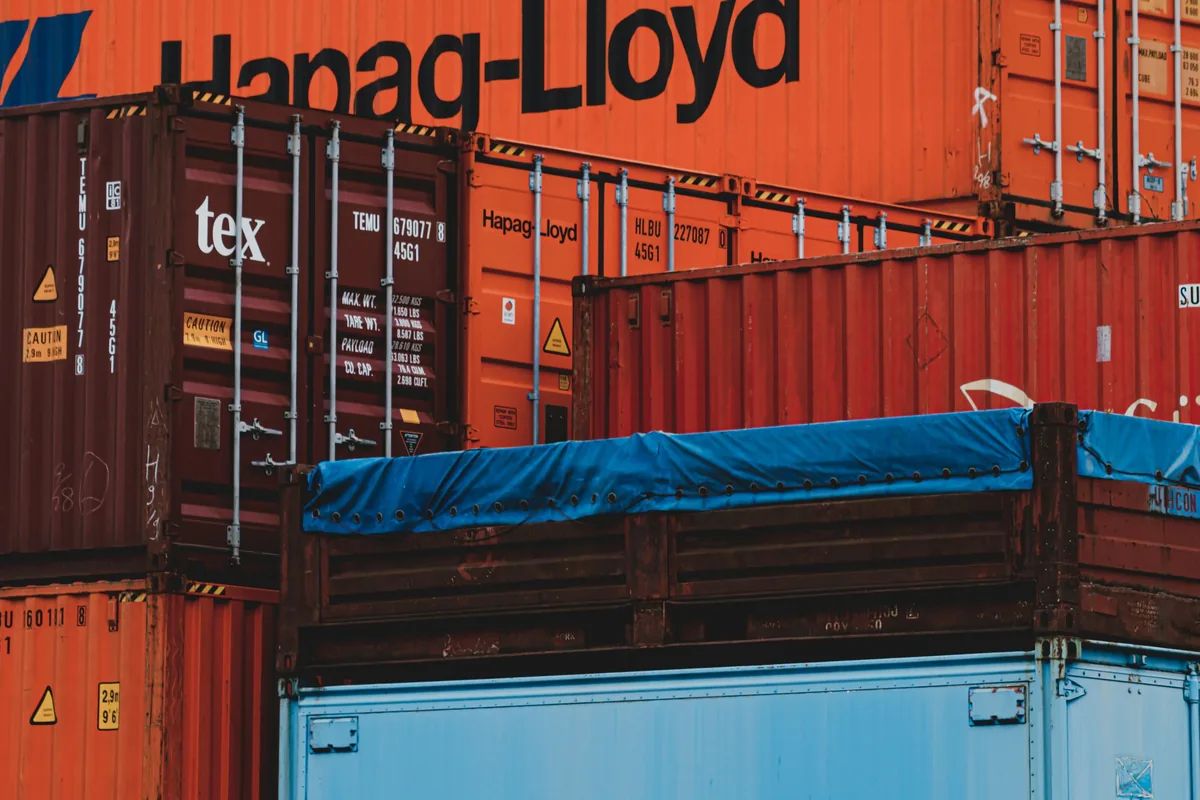
Freight container terminal with stacked shipping containers and a container handler loading a blue container onto a truck.

Table of Contents

Table of Contents

For someone new to importing into the UK, customs clearance can look more complicated than it really is. There are declarations to submit, commodity codes to check, duties and VAT to consider, documents to prepare, and occasionally a customs officer who wants to take a closer look at the shipment. 

The good news is that the process follows a fairly clear path.

Once you understand what happens at each stage, customs clearance becomes much easier to manage, and more importantly, you can spot potential problems before they hold up your shipment. So, what actually happens after your goods arrive in the UK? Let's walk through it.

What Is Customs Clearance?

Before goods can be released into free circulation in the UK, they need to be declared to customs.

A customs declaration provides HMRC with the information it needs to establish:

  • What the goods are 

  • How much they are worth 

  • Where they were manufactured 

  • Which commodity code applies 

  • Who is importing them 

  • What customs procedure is being used 

  • How much duty and VAT is due 

The declaration is normally submitted electronically through the UK's Customs Declaration Service (CDS). Once submitted, HMRC assesses the declaration and determines what happens next. And this is where the real customs journey begins.

Step 1: Submit Your Customs Declaration

The first major step is preparing and submitting the import declaration. A customs agent or importer will normally need information from documents such as the:

  • Commercial Invoice 

  • Packing List 

  • Bill of Lading or Air Waybill 

  • EORI details 

  • Commodity code 

  • Country of origin 

  • Customs value 

  • Freight and other relevant charges 

  • Incoterms 

The information across these documents must match. For example, if the invoice states that there are 500 units but the packing list shows 450, this discrepancy could raise questions during a later review. To avoid such issues, review our guide, Common Mistakes Importers Make in Customs Declarations

Commodity classification matters

One of the most important parts of the declaration is the commodity code. It determines much more than the duty rate. It can also identify whether the goods are subject to licenses, restrictions, additional controls or other requirements.

Getting the commodity code right before the goods leave the exporting country is therefore much better than trying to fix it after the shipment has arrived.

What happens after submission?

Once the declaration is submitted and accepted, a customs reference such as an MRN is generated. The declaration then goes through HMRC's risk and control processes. This doesn't necessarily mean your goods will be inspected. In many cases, everything moves forward without a physical examination.

Step 2: Pay Import Duty and VAT

Once the declaration has been processed, the applicable customs charges need to be accounted for. The two figures importers most commonly look at are:

Import Duty

Customs duty depends on factors including:

  • Commodity code 

  • Customs value 

  • Country of origin 

  • Any applicable tariff preference 

For example, two products with similar prices can have completely different duty rates if they fall under different commodity codes.

Import VAT

Import VAT is generally calculated using the relevant customs value plus applicable duty and certain other costs. For VAT-registered businesses, Postponed VAT Accounting (PVA) can often be used. With PVA, import VAT isn't paid at the border in the usual way. Instead, the importer accounts for it on their VAT return.

This distinction is important because the amount shown on the customs declaration isn't necessarily the amount that needs to be physically paid before the goods can be released.

Don't forget about customs valuation

A common mistake is assuming that customs duty is simply a percentage of the invoice value. It isn't always that straightforward. Freight, insurance and other costs can affect the customs value depending on the circumstances and the valuation method being used.

Step 3: Document Verification

After the declaration has been submitted, customs may decide that additional information or documentation is required. This is where a shipment can suddenly stop moving.

You may receive a request for things such as:

  • Commercial invoice 

  • Packing list 

  • Product specifications 

  • Certificates 

  • Proof of origin 

  • Import licenses 

  • Product compliance documents 

  • Evidence supporting the declared value 

  • Information about the intended use of the goods 

Sometimes the issue is not that anything is wrong with the shipment. The customs authority may simply need more information before it can make a decision.

Why do document checks cause delays?

Usually, it's because the information available to customs isn't sufficient to verify something.

For example:

Invoice: "Plastic goods" That's not particularly helpful if customs need to establish exactly what the product is, what it is made from and how it should be classified. A better description might identify the actual product, material, function and intended use.

Good customs descriptions are specific.

The person reviewing the declaration should be able to understand what is being imported without having to play detective.

Step 4: Physical Inspection: When Does It Happen and Why?

This is the part importers usually worry about most. A shipment can be selected for examination for a number of reasons. It could be:

  • Random selection 

  • Customs risk profiling 

  • Incorrect or unusual declaration data 

  • Commodity-related concerns 

  • Valuation concerns 

  • Origin verification 

  • Intelligence or enforcement activity 

  • A requirement from another government department 

Being selected for inspection does not automatically mean you've done something wrong. Customs controls are designed around risk. Some shipments pass straight through. Others are selected for documentary or physical examination.

What happens during a physical inspection?

Depending on the circumstances, customs may:

  • Open cartons 

  • Inspect packaging 

  • Examine specific products 

  • Check quantities 

  • Compare goods against the declaration 

  • Take photographs 

  • Take samples 

  • Verify marks or labels 

The shipment may remain on hold until the examination has been completed and any outstanding requirements have been satisfied. And this is where delays can become expensive. A container sitting at a port can generate storage, demurrage or detention charges while everyone waits for the next step.

Don't Forget Other Government Departments

Customs isn't always the only authority involved. Depending on what you're importing, other government departments may need to review the goods.

Examples can include controls involving:

  • Trading Standards 

  • Port Health 

  • Border Force 

  • DEFRA 

  • Food-related authorities 

  • Product safety authorities 

This is particularly relevant for goods such as food, cosmetics, toys, electrical products, chemicals, animal products and certain controlled items.

A customs declaration can therefore be technically correct while the shipment is still held because another authority needs to complete its checks.

Step 5: Goods Released for Delivery

Once the customs declaration has been cleared and any required checks have been completed, the shipment can move towards release. But there's an important distinction here:

Customs clearance doesn't always mean the goods are physically ready for collection immediately.

The port, airport or warehouse may still need to complete its own release procedures. Depending on the shipment, there may be:

  • Terminal charges 

  • Handling charges 

  • Storage charges 

  • Release instructions 

  • Delivery bookings 

  • Warehouse requirements 

Once everything is in place, the goods can be collected and delivered to the importer.

For shipments moving to a customs warehouse under transit, the process can be slightly different because the goods may move under a transit procedure rather than being released directly into free circulation.

How Long Does UK Customs Clearance Take?

This is one of the most common questions, and unfortunately there isn't one universal answer. A straightforward shipment with correct documentation can move through customs relatively quickly. But a shipment requiring additional checks can take considerably longer.

A rough way of looking at it is:

Type of clearance

Typical situation

Straightforward declaration

Often processed quickly

Documentary check

May take longer depending on the query

Physical examination

Depends on inspection availability

Other government department hold

Depends on the relevant authority

Complex or unresolved issue

Can take significantly longer

The biggest factor isn't necessarily the declaration itself. It's whether something causes the shipment to stop moving. A clean declaration with complete documents can progress smoothly. A small unresolved issue can turn into several days of delay.

How to Avoid the Most Common Customs Delays

The best way to deal with customs delays is to prevent them in the first place. Here are some of the areas worth checking before your shipment arrives.

1. Check the Commodity Code

Don't guess the commodity code based purely on the product name.

Consider the products:

  • Material 

  • Function 

  • Composition 

  • Intended use 

  • Construction 

If you're unsure, get the classification checked before importing.

2. Use Accurate Product Descriptions

"General goods", "plastic items" or "accessories" don't give customs much to work with. Give a clear description of what the goods actually are. A good description can make the declaration easier to understand and defend.

3. Make Sure the Documents Agree

Check the:

Invoice → Packing List → Bill of Lading/AWB → Customs Declaration

The quantities, weights, values and descriptions should make sense across the documents. Small inconsistencies are surprisingly good at creating big headaches.

4. Check Import Restrictions Before Shipping

Some products require additional approvals, licenses, certificates or compliance documents. Don't wait until the shipment reaches the UK to discover that a document was needed. Research the requirements before the goods leave the supplier.

5. Get the Customs Value Right

Make sure the value declared to customs is supported by the commercial documents and that relevant transport and insurance costs have been considered correctly.

Artificially lowering the value to reduce duty can create much bigger problems than the original duty bill.

6. Prepare Compliance Documents Early

If you're importing regulated products, have the relevant paperwork ready before arrival. This could include product test reports, safety documentation, certificates, licenses or evidence of compliance. Waiting for a government department to request documents after the shipment has already arrived can add unnecessary days to the process.

A Simple Example

Imagine a UK company imports 500 electric kettles from China. Before arrival, the customs agent checks:

  • Commodity code 

  • Country of origin 

  • Customs value 

  • Commercial invoice 

  • Packing list 

  • Bill of Lading 

  • Product information 

  • Applicable import controls 

The declaration is submitted through CDS. HMRC accepts the declaration and calculates the applicable duty and VAT. If there are no further controls, the shipment can proceed towards release. But imagine the shipment is selected for a document check. HMRC requests additional product information. The importer provides it the same day. The declaration is then cleared. Now compare that with an importer who doesn't have the requested documents ready. The shipment may remain at the port while the importer searches for paperwork, and storage charges can start building up.

The difference isn't always customs itself. Sometimes it's simply preparation.

The Customs Clearance Process in One Picture

You can think of the process as a five-stage journey:

Documents prepared

Customs declaration submitted

Duty & VAT accounted for

Customs / government checks

Goods released

Collection & delivery

Most shipments follow this path without drama. The problems usually appear when something is missing, inconsistent or requires additional investigation.

Final Thoughts

UK customs clearance doesn't have to be mysterious. At its core, customs want to establish three things:

What are the goods?
How much are they worth?
Are they legally allowed to enter under the declared procedure?

If your documentation answers those questions clearly and accurately, you're already removing many of the common causes of delay. And when a shipment is selected for a customs check, don't panic. A hold doesn't automatically mean something is wrong. It simply means the relevant authority needs to complete another part of the process.

The key is to respond quickly, provide accurate information, and keep everyone involved updated. Because in customs, a well-prepared shipment doesn't just clear more smoothly. It gives you a much better chance of knowing what is happening when something doesn't go according to plan.


FAQ

Answers to your questions

Get quick answers to frequently asked questions about our services

How do we support small businesses or first-time UK importers?

1. Step-by-Step Guidance: We walk new importers through the entire import process from EORI registration to final customs clearance along with Clear instructions are provided on commercial invoices, packing lists, and declaration requirements. 2. Documentation Assistance: We help ensure all documents are complete and accurate to prevent customs delays or rejections along with support with HS code classification, valuation, and origin declarations. 3. Use of Our Deferment Account: Small businesses that don’t yet have a deferment account can use ours to settle duties and VAT immediately, speeding up the clearance process. 4. Transparent Pricing: We offer clear, upfront quotes with no hidden charges that is ideal for small businesses managing tight budgets. 5. Communication & Education: We explain customs procedures in plain language, and remain accessible via phone/email throughout the process 24/7. 6. Optional Turnkey Services: From port clearance to final delivery, we offer DDP/DAP support, letting small businesses focus on sales rather than logistics.

What makes our transport solution more cost-effective than competitors?

Our transport services are competitively priced thanks to: * Owned fleet and direct port access, reducing third-party handling costs * Integrated warehousing + delivery workflows that minimize transfer time and costs * Large pallet network partnerships, giving us national reach at competitive groupage rates * Real-time route optimization and tracking, cutting down on fuel use and delivery errors This hybrid model enables us to offer scalable, flexible, and affordable logistics tailored to each client’s needs.

How do we help importers delay VAT or duty through bonded storage?

We assist importers in using bonded storage to manage their cash flow more efficiently by deferring import VAT and customs duty payments. Here’s how: 1. While the goods are in the bonded facility, no VAT or duty is payable. 2. Importers only pay customs duties and VAT when the goods are removed from the warehouse and released for free circulation in the UK market. 3. If goods are re-exported directly from the bonded warehouse to another country, no UK VAT or duty is paid at all. 4. This is ideal for businesses that import into the UK only for storage or redistribution abroad. 5. By deferring VAT/duty, importers retain working capital that can be used for other business operations.

Are we supporting any ecommerce or Amazon sellers? How?

Yes, we actively support eCommerce and Amazon sellers, offering a comprehensive suite of warehousing and fulfillment services tailored to online retail operations. Here’s how we help them: * FBA Prep Services: We prepare inventory for Amazon fulfillment centers by providing labeling, bundling, polybagging, and compliance checks in line with Amazon’s strict FBA requirements. * FBM (Fulfilled by Merchant) Support: For clients using Amazon FBM or other marketplaces (e.g., Shopify, eBay, Etsy), we pick, pack, and dispatch orders directly to end customers using integrated courier services. * Returns Handling: We process returns from end-customers, perform quality checks, and restock or dispose of goods based on seller instructions. * Storage of Imported Goods: Sellers can store goods duty-free in our bonded warehouse and move inventory gradually based on sales volume, reducing upfront tax liabilities. Our services allow eCommerce brands and Amazon sellers to scale efficiently, maintain compliance, and reduce operational overhead.

Do we offer short-term and long-term storage contracts? Explain?

Yes, we offer both short-term and long-term storage solutions, depending on our clients’ needs: * Short-term storage: Ideal for seasonal stock, promotional campaigns, or temporary overflows. Clients benefit from flexible, pay-as-you-go options with minimal commitment—perfect for fast-moving eCommerce or project-based storage. * Long-term storage: Tailored for bulk inventory, slow-moving goods, or bonded stock awaiting customs clearance or distribution over time. We offer favorable rates for extended stays, with options to combine storage with value-added services like pick & pack or relabeling. Our flexibility allows clients to scale up or down as needed, while only paying for the space and services they use. This agility makes us a strong partner for both growing startups and established brands.

FAQ

Answers to your questions

Get quick answers to frequently asked questions about our services

How do we support small businesses or first-time UK importers?

1. Step-by-Step Guidance: We walk new importers through the entire import process from EORI registration to final customs clearance along with Clear instructions are provided on commercial invoices, packing lists, and declaration requirements. 2. Documentation Assistance: We help ensure all documents are complete and accurate to prevent customs delays or rejections along with support with HS code classification, valuation, and origin declarations. 3. Use of Our Deferment Account: Small businesses that don’t yet have a deferment account can use ours to settle duties and VAT immediately, speeding up the clearance process. 4. Transparent Pricing: We offer clear, upfront quotes with no hidden charges that is ideal for small businesses managing tight budgets. 5. Communication & Education: We explain customs procedures in plain language, and remain accessible via phone/email throughout the process 24/7. 6. Optional Turnkey Services: From port clearance to final delivery, we offer DDP/DAP support, letting small businesses focus on sales rather than logistics.

What makes our transport solution more cost-effective than competitors?

Our transport services are competitively priced thanks to: * Owned fleet and direct port access, reducing third-party handling costs * Integrated warehousing + delivery workflows that minimize transfer time and costs * Large pallet network partnerships, giving us national reach at competitive groupage rates * Real-time route optimization and tracking, cutting down on fuel use and delivery errors This hybrid model enables us to offer scalable, flexible, and affordable logistics tailored to each client’s needs.

How do we help importers delay VAT or duty through bonded storage?

We assist importers in using bonded storage to manage their cash flow more efficiently by deferring import VAT and customs duty payments. Here’s how: 1. While the goods are in the bonded facility, no VAT or duty is payable. 2. Importers only pay customs duties and VAT when the goods are removed from the warehouse and released for free circulation in the UK market. 3. If goods are re-exported directly from the bonded warehouse to another country, no UK VAT or duty is paid at all. 4. This is ideal for businesses that import into the UK only for storage or redistribution abroad. 5. By deferring VAT/duty, importers retain working capital that can be used for other business operations.

Are we supporting any ecommerce or Amazon sellers? How?

Yes, we actively support eCommerce and Amazon sellers, offering a comprehensive suite of warehousing and fulfillment services tailored to online retail operations. Here’s how we help them: * FBA Prep Services: We prepare inventory for Amazon fulfillment centers by providing labeling, bundling, polybagging, and compliance checks in line with Amazon’s strict FBA requirements. * FBM (Fulfilled by Merchant) Support: For clients using Amazon FBM or other marketplaces (e.g., Shopify, eBay, Etsy), we pick, pack, and dispatch orders directly to end customers using integrated courier services. * Returns Handling: We process returns from end-customers, perform quality checks, and restock or dispose of goods based on seller instructions. * Storage of Imported Goods: Sellers can store goods duty-free in our bonded warehouse and move inventory gradually based on sales volume, reducing upfront tax liabilities. Our services allow eCommerce brands and Amazon sellers to scale efficiently, maintain compliance, and reduce operational overhead.

Do we offer short-term and long-term storage contracts? Explain?

Yes, we offer both short-term and long-term storage solutions, depending on our clients’ needs: * Short-term storage: Ideal for seasonal stock, promotional campaigns, or temporary overflows. Clients benefit from flexible, pay-as-you-go options with minimal commitment—perfect for fast-moving eCommerce or project-based storage. * Long-term storage: Tailored for bulk inventory, slow-moving goods, or bonded stock awaiting customs clearance or distribution over time. We offer favorable rates for extended stays, with options to combine storage with value-added services like pick & pack or relabeling. Our flexibility allows clients to scale up or down as needed, while only paying for the space and services they use. This agility makes us a strong partner for both growing startups and established brands.

FAQ

Answers to your questions

Get quick answers to frequently asked questions about our services

How do we support small businesses or first-time UK importers?

1. Step-by-Step Guidance: We walk new importers through the entire import process from EORI registration to final customs clearance along with Clear instructions are provided on commercial invoices, packing lists, and declaration requirements. 2. Documentation Assistance: We help ensure all documents are complete and accurate to prevent customs delays or rejections along with support with HS code classification, valuation, and origin declarations. 3. Use of Our Deferment Account: Small businesses that don’t yet have a deferment account can use ours to settle duties and VAT immediately, speeding up the clearance process. 4. Transparent Pricing: We offer clear, upfront quotes with no hidden charges that is ideal for small businesses managing tight budgets. 5. Communication & Education: We explain customs procedures in plain language, and remain accessible via phone/email throughout the process 24/7. 6. Optional Turnkey Services: From port clearance to final delivery, we offer DDP/DAP support, letting small businesses focus on sales rather than logistics.

What makes our transport solution more cost-effective than competitors?

Our transport services are competitively priced thanks to: * Owned fleet and direct port access, reducing third-party handling costs * Integrated warehousing + delivery workflows that minimize transfer time and costs * Large pallet network partnerships, giving us national reach at competitive groupage rates * Real-time route optimization and tracking, cutting down on fuel use and delivery errors This hybrid model enables us to offer scalable, flexible, and affordable logistics tailored to each client’s needs.

How do we help importers delay VAT or duty through bonded storage?

We assist importers in using bonded storage to manage their cash flow more efficiently by deferring import VAT and customs duty payments. Here’s how: 1. While the goods are in the bonded facility, no VAT or duty is payable. 2. Importers only pay customs duties and VAT when the goods are removed from the warehouse and released for free circulation in the UK market. 3. If goods are re-exported directly from the bonded warehouse to another country, no UK VAT or duty is paid at all. 4. This is ideal for businesses that import into the UK only for storage or redistribution abroad. 5. By deferring VAT/duty, importers retain working capital that can be used for other business operations.

Are we supporting any ecommerce or Amazon sellers? How?

Yes, we actively support eCommerce and Amazon sellers, offering a comprehensive suite of warehousing and fulfillment services tailored to online retail operations. Here’s how we help them: * FBA Prep Services: We prepare inventory for Amazon fulfillment centers by providing labeling, bundling, polybagging, and compliance checks in line with Amazon’s strict FBA requirements. * FBM (Fulfilled by Merchant) Support: For clients using Amazon FBM or other marketplaces (e.g., Shopify, eBay, Etsy), we pick, pack, and dispatch orders directly to end customers using integrated courier services. * Returns Handling: We process returns from end-customers, perform quality checks, and restock or dispose of goods based on seller instructions. * Storage of Imported Goods: Sellers can store goods duty-free in our bonded warehouse and move inventory gradually based on sales volume, reducing upfront tax liabilities. Our services allow eCommerce brands and Amazon sellers to scale efficiently, maintain compliance, and reduce operational overhead.

Do we offer short-term and long-term storage contracts? Explain?

Yes, we offer both short-term and long-term storage solutions, depending on our clients’ needs: * Short-term storage: Ideal for seasonal stock, promotional campaigns, or temporary overflows. Clients benefit from flexible, pay-as-you-go options with minimal commitment—perfect for fast-moving eCommerce or project-based storage. * Long-term storage: Tailored for bulk inventory, slow-moving goods, or bonded stock awaiting customs clearance or distribution over time. We offer favorable rates for extended stays, with options to combine storage with value-added services like pick & pack or relabeling. Our flexibility allows clients to scale up or down as needed, while only paying for the space and services they use. This agility makes us a strong partner for both growing startups and established brands.

Your journey begins in one click

Contact us today and get expert help designed around your needs

background-dots

Your journey begins in one click

Contact us today and get expert help designed around your needs

background-dots

Your journey begins in one click

Contact us today and get expert help designed around your needs

background-dots
// Keep below code as is and don't remove