When businesses need to move goods internationally, choosing the right transportation method can have a significant impact on shipping costs, delivery schedules and supply chain efficiency.
For large, heavy or high-volume shipments, sea freight is often a practical and cost-effective alternative to air freight. It allows businesses to transport commercial goods across international markets while managing transportation costs.
However, sea freight involves more than loading a container onto a vessel. From selecting the right container and arranging transport to completing customs formalities and coordinating final delivery, several stages must work together to move cargo successfully.
So, what is sea freight, how does sea freight forwarding work, and when should businesses choose it over air freight? This guide explains the process, the difference between FCL and LCL, typical transit time considerations and the costs businesses should understand before arranging a shipment.
What Is Sea Freight?
Sea freight is the transportation of goods between ports by cargo vessel. It is widely used for international trade, particularly when businesses need to move large quantities of goods over long distances.
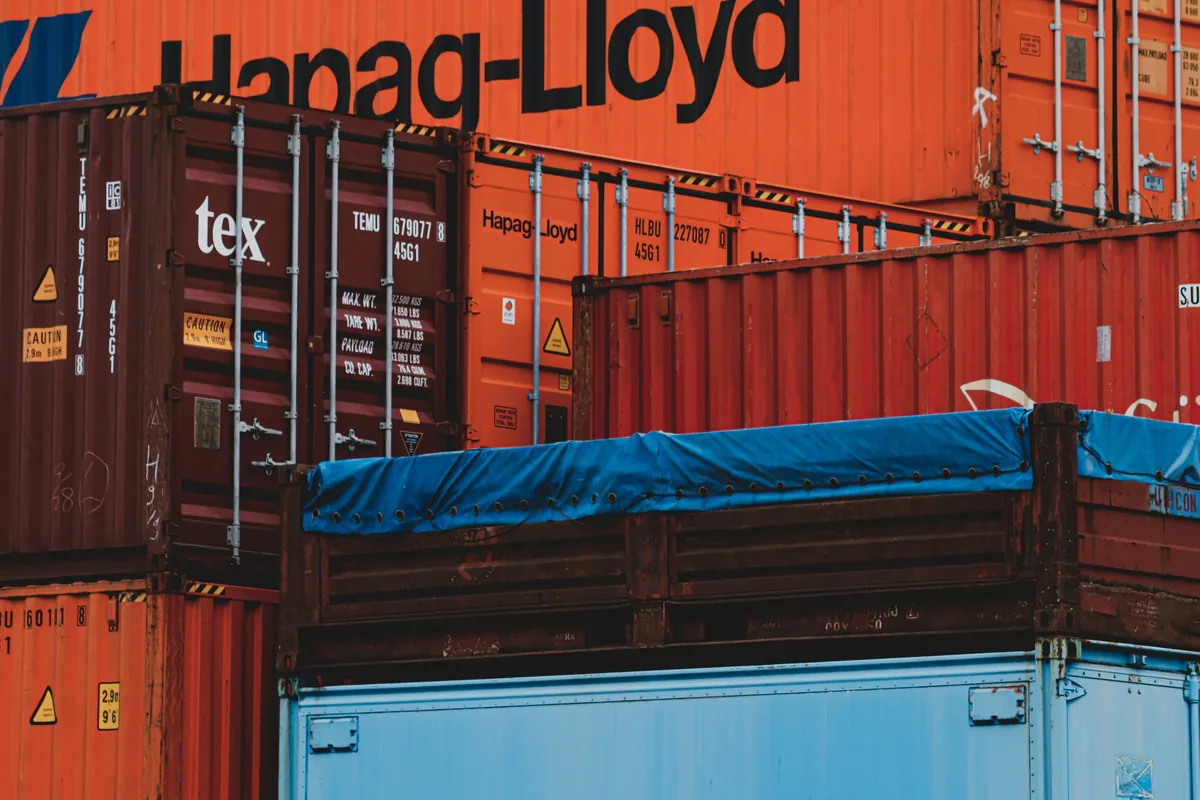
Most commercial sea freight shipments use standardised shipping containers, which can be transported by ship and transferred between road and rail transport where required.
Sea freight is commonly used to transport:
Retail and wholesale stock
Furniture and household goods
Machinery and industrial equipment
Automotive parts
Building materials
Commercial products and raw materials
One of the main advantages of sea freight is its capacity. Businesses can transport substantial volumes of cargo in a single shipment, making it suitable for many international supply chains.
The most appropriate shipping method depends on factors such as cargo volume, delivery deadlines, destination and total transportation costs.
How Does Sea Freight Forwarding Work?
Sea freight forwarding coordinates the movement of cargo from origin to destination. A freight forwarder can arrange shipping, collection, documentation, customs clearance and final delivery, depending on the agreed service.
Typical shipping process:
Supplier → Collection → Export Customs → Origin Port → Ocean Transport → Destination Port → Import Customs → Final Delivery
The process varies depending on the shipment route and whether the service is port-to-port or door-to-door.
Understanding Container Shipping:
Shipping containers are designed to protect cargo and simplify handling during international transportation. Common container types include:
20-foot container: Commonly used for general cargo and smaller container shipments.
40-foot container: Provides additional capacity for larger shipments.
40-foot High Cube container: Offers greater internal height than a standard 40-foot container.
Refrigerated container (reefer): Maintains controlled temperatures for suitable temperature-sensitive goods.
Open-top container: Can accommodate certain cargo that is difficult to load through standard container doors.
Flat-rack container: Designed for suitable oversized or heavy cargo that cannot be accommodated in a standard container.
The right container depends on the cargo's dimensions, weight, nature and handling requirements. Specialised containers may also require additional planning and availability checks.
FCL vs LCL: What’s the Difference?
Sea freight offers two main options: Full Container Load (FCL) and Less Than Container Load (LCL).
FCL: An entire container is allocated to one shipment, making it suitable for larger shipments or cargo requiring a dedicated container.
LCL: Cargo shares container space with shipments from other businesses, making it a practical option for smaller loads.
Which Option Should You Choose?
FCL | LCL |
Best suited to larger shipments | Best suited to smaller shipments |
Dedicated container | Shared container space |
Less consolidation handling | Requires consolidation and deconsolidation |
Cost depends on the container and route | Cost depends on cargo volume and applicable charges |
The right option depends on your cargo size, route, delivery schedule and total shipping cost. Compare all applicable charges, including handling and destination fees, before deciding.
The Sea Freight Process: Step by Step
Understanding the stages of a sea freight shipment helps businesses plan more effectively and identify potential delays before they affect delivery.
1. Shipment Planning
The process begins with gathering the information needed to arrange transportation. A freight forwarder will typically require:
Description of the goods
Quantity, weight and dimensions
Collection address and destination
Preferred shipping schedule
Required container type
Applicable Incoterms
Any special handling requirements
These details help determine the appropriate shipping arrangement and identify the documentation and transport requirements.
2. Freight Booking
Once the shipment requirements are confirmed, the freight forwarder arranges space with the shipping line or relevant carrier.
The booking typically identifies the origin and destination ports, container type, sailing schedule and applicable cut-off dates.
Planning around these deadlines is important. Missing a cut-off may mean the cargo has to wait for a later sailing.
3. Cargo Collection and Loading
For FCL shipments, an empty container may be collected and delivered to the supplier or loading location. The goods are then loaded and secured before the container is transported to the port.
For LCL shipments, the cargo is generally delivered to a consolidation facility, where it is combined with other shipments. The loading arrangements depend on the cargo and the agreed service.
4. Export Documentation and Customs Clearance
Before the goods leave the exporting country, the necessary export formalities must be completed. Depending on the shipment, documentation may include:
Commercial invoice
Packing list
Export customs declaration
Bill of Lading instructions
Certificate of Origin, where applicable
Relevant licences or certificates for controlled goods
Accurate information is essential. Incorrect cargo descriptions, shipment details or supporting documents can lead to additional checks and delays.
5. Port Handling and Vessel Loading
The container is delivered to the origin port or terminal and prepared for loading. Once the relevant operational and export requirements have been met, it is loaded onto the vessel.
The vessel may travel directly to the destination port or follow a route involving intermediate ports.
6. Ocean Transport and Transshipment
During the ocean journey, the vessel transports the cargo towards its destination. Some services involve transshipment, where the container is transferred from one vessel to another at an intermediate port.
Transshipment allows shipping lines to connect different ports through major international hubs. However, connections can introduce additional scheduling considerations.
7. Arrival at the Destination Port
When the vessel arrives, the container is discharged and handled by the destination terminal. Before the cargo can move onward, the relevant release procedures, documentation and customs requirements must be addressed.
Port arrival does not necessarily mean the shipment is ready for collection or delivery.
8. Import Customs Clearance
Import customs clearance involves submitting the required declaration and supporting information to the relevant customs authority.
Depending on the shipment, the information may include the commodity code, customs value, country of origin, importer details and applicable supporting documents.
For UK imports, declarations are generally handled through the Customs Declaration Service (CDS). Customs duties, import VAT and other requirements depend on the goods and the circumstances of the import. Customs authorities may also select shipments for additional checks.
9. Final Delivery
Once the cargo has been released and the necessary collection arrangements are complete, it can be transported to its final destination.
Depending on the service, delivery may be arranged to a warehouse, factory, distribution centre, retail premises or another business address.
For businesses using door-to-door sea freight, coordinating this final stage is an important part of the overall shipment.
Sea Freight Transit Times: What to Expect
Sea freight takes longer than air freight, and transit times depend on the route, vessel schedule, port congestion, customs clearance and onward transport.
Remember that port-to-port transit time differs from door-to-door delivery time. Collection, customs procedures and final delivery can add to the overall timeline. Allow extra time for unexpected delays when planning shipments.
How Much Does Sea Freight Cost?
Sea freight costs depend on the route, cargo size, container type and services required.
Common charges include:
Ocean freight: Transport by sea.
Origin and destination charges: Port handling and related services.
Customs and documentation: Declarations and shipping paperwork.
Inland transport: Collection and final delivery.
Storage: Charges for holding cargo when applicable.
Demurrage and detention: Potential charges for exceeding the agreed container free time.
Cargo insurance: Cover arranged for the shipment, where required.
FCL pricing generally depends on the container and route, while LCL pricing commonly considers cargo volume and applicable weight rules.
Sea Freight vs Air Freight: Which Should You Choose?
The choice depends on cost, urgency and cargo requirements.
Sea freight may suit shipments that are:
Large or heavy
Not urgently required
Cost-sensitive
Planned well in advance
Air freight may suit shipments that are:
Urgent
Needed to prevent stock shortages or production delays
Relatively small or high-value
Dependent on faster delivery
Consider both transport costs and the impact of delivery time on your business before choosing.
Final Thoughts
Sea freight is a practical option for many international shipments, particularly larger or planned consignments. Choosing the right container, understanding the full cost and allowing realistic transit times can help businesses manage shipments more effectively.
A freight forwarder can coordinate shipping arrangements from origin to destination, depending on the services agreed.