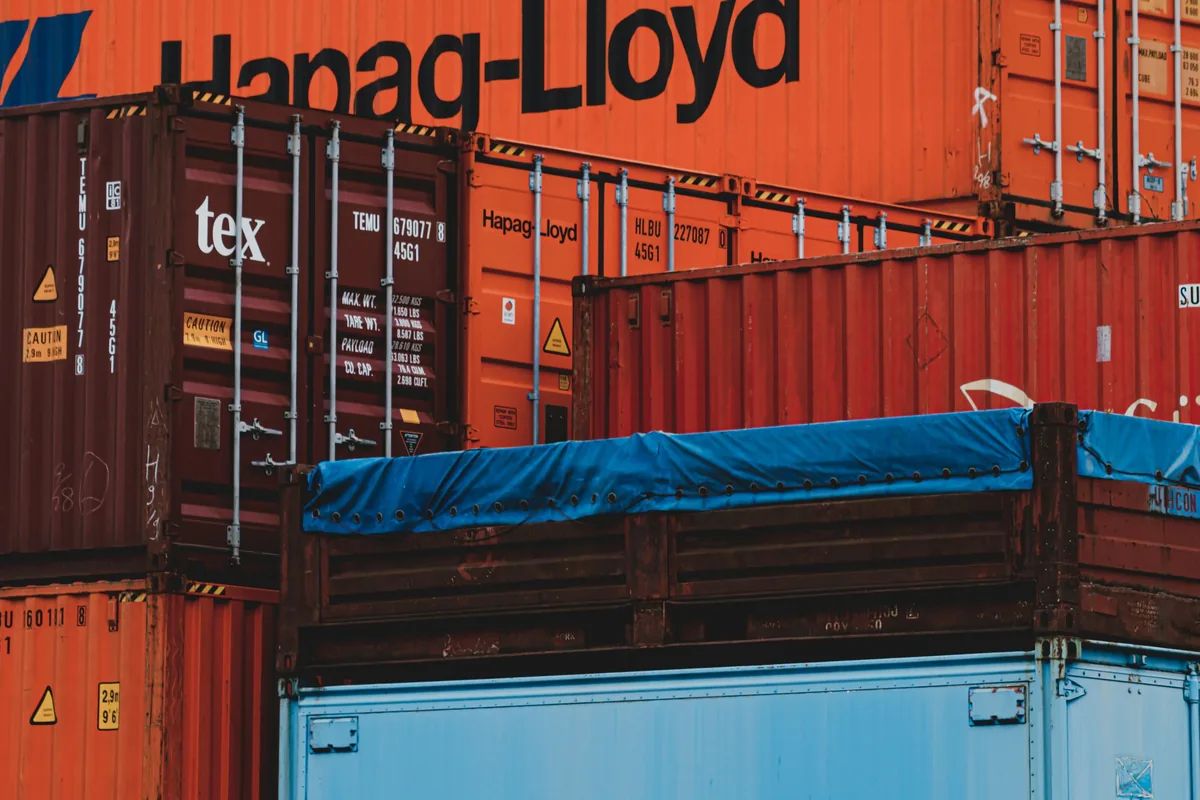
Customs clearance is one of those stages of international shipping that can seem simple from the outside: the goods arrive, the declaration is submitted, customs clears the shipment, and the cargo moves on.
In practice, there are several moving parts behind that process.
After years of handling UK import and export shipments, one thing I've learned is that customs clearance itself is often not the slowest part—the quality and availability of the information behind the declaration can make the biggest difference.
A shipment with complete and accurate documents can often move through the process smoothly. A shipment with missing information, unclear commodity descriptions, incorrect values, or classification questions can take considerably longer.
So, how long does UK customs clearance actually take, and what can businesses do to avoid unnecessary delays?
Average Customs Clearance Times — Air vs Sea
There is no single guaranteed clearance time for every shipment. The time required depends on the type of goods, the declaration, documentation, customs requirements, and whether HMRC or another authority needs to carry out further checks.
Air Freight
Air freight shipments can often move through customs relatively quickly when the documentation is complete and there are no additional customs interventions.
For straightforward shipments, clearance may be completed within a relatively short period after the necessary information has been received and the declaration can be submitted.
However, fast transportation does not automatically mean fast customs clearance.
Air cargo can arrive at the airport quickly, but if the commercial invoice is incomplete or the commodity classification is unclear, the shipment may remain uncleared while the required information is obtained.
Sea Freight
Sea freight generally involves more planning and coordination because shipments may involve containers, ports, terminals, shipping lines, haulage providers, and potentially additional handling arrangements.
Customs clearance itself may still be completed promptly where the declaration is straightforward and all information is available. However, the overall release and delivery process can take longer depending on vessel arrival, port procedures, documentation, inspections, and availability of the required delivery arrangements.
The important distinction is this:
Transit time and customs clearance time are not the same thing.
A vessel may take weeks to reach the UK, but that does not mean customs clearance itself takes weeks.
What Affects How Long Customs Clearance Takes?
Several factors can influence the time required to clear a shipment.
1. Accuracy of Documentation
Accurate documentation is one of the most important factors.
Typical documents may include:
Commercial Invoice
Packing List
Air Waybill (AWB) or Bill of Lading (B/L)
Certificate of Origin, where applicable
Import or export information
Relevant licences or certificates, where required
The information across these documents should be consistent.
For example, if the packing list shows one weight but the transport document shows another, someone will eventually have to investigate the difference.
2. Commodity Classification
The correct HS or commodity code is essential for customs.
The classification can affect:
Customs duty
Licensing requirements
Restrictions or controls
Other customs measures
A vague description such as "parts", "equipment", or "accessories" may not provide enough information to classify the goods correctly.
3. Customs Value
The declared customs value must be accurate and supported by the appropriate documentation.
Questions around the transaction value, freight, insurance, assists, related-party transactions, or other valuation elements can require additional clarification.
4. Country of Origin
Country of origin is another important element of customs declarations.
The origin of goods can affect applicable duty rates, trade preferences, restrictions, and other customs requirements.
Importantly, country of origin is not necessarily the same as the country from which the goods were shipped.
5. Type of Goods
Certain products require additional checks, licences, certificates, or approvals before they can be imported.
Controlled, restricted, regulated, food, pharmaceutical, chemical, animal, plant, and other specialised goods may require additional procedures depending on the circumstances.
6. Customs Intervention
Sometimes customs may select a shipment for further checks.
This could involve a documentary review or, depending on the circumstances, a physical examination.
Once additional checks are required, the clearance timeline can no longer be treated as a routine declaration.
7. Availability of the Importer
Customs clearance often requires information or confirmation from the importer.
If the customs agent asks for a document or clarification and the importer takes several days to respond, the shipment naturally cannot progress as quickly.
This is why good communication between the importer, freight forwarder, customs agent, and other parties is so important.
What Happens When Customs Holds Your Shipment?
The phrase "customs hold" can sound alarming, but it doesn't necessarily mean something has gone wrong.
A shipment may be held because customs requires additional information, wants to review the declaration, needs clarification about the goods, or has selected the shipment for further examination.
The first step is to understand why the shipment has not been released.
Depending on the reason, the customs agent or freight forwarder may need to provide:
Additional commercial documents
Clarification of the goods
Evidence supporting the customs value
Corrected or additional shipment information
Commodity classification details
Origin information
Import licences or certificates
Other information requested by the relevant authority
Once the required information has been provided and any customs requirements have been satisfied, the shipment can proceed towards release.
The important thing is not to panic—or start sending every document in your inbox.
Find out what customs actually needs, provide accurate information, and deal with the specific issue.
The Most Common Causes of Customs Delays
After handling numerous shipments, I've found that many avoidable delays come down to relatively simple issues.
Incomplete Commercial Invoice
A commercial invoice should contain enough information for the goods and transaction to be understood clearly.
Missing values, descriptions, Incoterms®, origin, buyer details, or other required information can create unnecessary questions.
Incorrect or Vague Goods Description
"Samples", "parts", "accessories", or "equipment" may not adequately describe the actual goods.
A good description should explain what the product is and, where relevant, what it is made of or used for.
Incorrect Commodity Code
Using an incorrect commodity code can affect duty, VAT, licensing, and other customs requirements.
Weight or Quantity Differences
Differences between the invoice, packing list, AWB/B/L, and other shipment documents can result in additional checks.
Missing Import Information
The declaration may require information that has not been provided by the importer or shipper.
Incorrect Importer Details
The importer name, address, EORI, VAT details, and other information should be accurate and consistent with the shipment documentation.
Missing Licences or Certificates
Some goods require additional approvals before they can be imported.
If those requirements are identified only after the shipment arrives, delays are much more likely.
Poor Communication
Sometimes the biggest delay isn't customs itself.
It's waiting for someone to answer an email.
In logistics, a ten-minute question can occasionally turn into a two-day delay simply because the right person didn't receive the message.
How Can You Speed Up UK Customs Clearance?
While nobody can guarantee a particular clearance time, there are several practical steps businesses can take to reduce avoidable delays.
1. Prepare Documents Before Arrival
Don't wait until the aircraft lands or the vessel arrives before looking for the paperwork.
Where possible, provide the commercial invoice, packing list, transport document, and other relevant information in advance.
2. Use Accurate Product Descriptions
Make sure the description clearly identifies the goods.
The more accurately the goods are described, the easier it is to determine the correct customs treatment.
3. Confirm the Commodity Code
Where classification is uncertain, seek appropriate advice before the shipment arrives rather than trying to resolve the issue while the cargo is waiting for clearance.
4. Check Importer Details
Make sure the importer has the correct customs registration details and that the information matches the commercial documentation.
5. Keep Documents Consistent
Check the invoice, packing list, AWB/B/L, and other documents before submission.
Pay particular attention to:
Quantity
Weight
Value
Currency
Commodity codes
Country of origin
Importer and consignee details
Incoterms®
A few minutes spent checking documents before shipment can save considerably more time later.
6. Respond Quickly to Queries
If your customs agent asks for clarification, respond as soon as possible.
A customs declaration cannot move forward if the information required to complete it is sitting unread in someone's inbox.
7. Work With an Experienced Customs Partner
A knowledgeable freight forwarder or customs agent can identify potential issues before they become delays and help ensure declarations are prepared correctly.
Final Thoughts
Customs clearance doesn't have to be complicated, but it does require preparation.
The exact time required depends on the shipment, documentation, commodity, customs requirements, and whether any additional checks are necessary. There is therefore no universal "UK customs clearance time" that applies to every import.
From our experience, the best way to keep customs moving is surprisingly simple:
Provide the right information, provide it accurately, and provide it on time.
Good customs clearance starts long before the declaration is submitted. When the documents are prepared properly, the importer understands their responsibilities, and everyone involved communicates effectively, the chances of unnecessary delays are significantly reduced.
And perhaps the most useful lesson from years in logistics is this:
Customs rarely asks for something just because it enjoys paperwork. When a question is raised, there is usually a reason behind it—find the reason, provide the right answer, and keep the shipment moving.


