The UK Customs Clearance Process: A Step-by-Step Guide for Importers

洞察

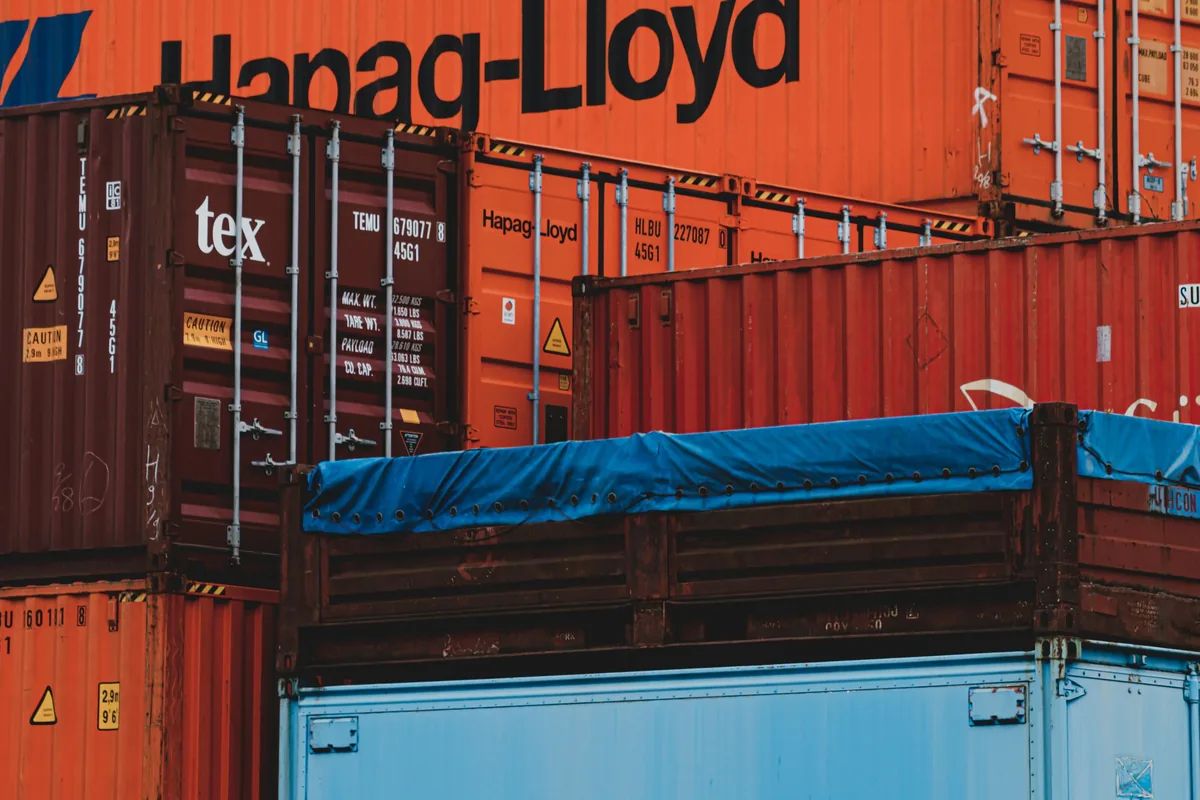
Freight container terminal with stacked shipping containers and a container handler loading a blue container onto a truck.

目录

目录

For someone new to importing into the UK, customs clearance can look more complicated than it really is. There are declarations to submit, commodity codes to check, duties and VAT to consider, documents to prepare, and occasionally a customs officer who wants to take a closer look at the shipment. 

The good news is that the process follows a fairly clear path.

Once you understand what happens at each stage, customs clearance becomes much easier to manage, and more importantly, you can spot potential problems before they hold up your shipment. So, what actually happens after your goods arrive in the UK? Let's walk through it.

What Is Customs Clearance?

Before goods can be released into free circulation in the UK, they need to be declared to customs.

A customs declaration provides HMRC with the information it needs to establish:

  • What the goods are 

  • How much they are worth 

  • Where they were manufactured 

  • Which commodity code applies 

  • Who is importing them 

  • What customs procedure is being used 

  • How much duty and VAT is due 

The declaration is normally submitted electronically through the UK's Customs Declaration Service (CDS). Once submitted, HMRC assesses the declaration and determines what happens next. And this is where the real customs journey begins.

Step 1: Submit Your Customs Declaration

The first major step is preparing and submitting the import declaration. A customs agent or importer will normally need information from documents such as the:

  • Commercial Invoice 

  • Packing List 

  • Bill of Lading or Air Waybill 

  • EORI details 

  • Commodity code 

  • Country of origin 

  • Customs value 

  • Freight and other relevant charges 

  • Incoterms 

The information across these documents must match. For example, if the invoice states that there are 500 units but the packing list shows 450, this discrepancy could raise questions during a later review. To avoid such issues, review our guide, Common Mistakes Importers Make in Customs Declarations

Commodity classification matters

One of the most important parts of the declaration is the commodity code. It determines much more than the duty rate. It can also identify whether the goods are subject to licenses, restrictions, additional controls or other requirements.

Getting the commodity code right before the goods leave the exporting country is therefore much better than trying to fix it after the shipment has arrived.

What happens after submission?

Once the declaration is submitted and accepted, a customs reference such as an MRN is generated. The declaration then goes through HMRC's risk and control processes. This doesn't necessarily mean your goods will be inspected. In many cases, everything moves forward without a physical examination.

Step 2: Pay Import Duty and VAT

Once the declaration has been processed, the applicable customs charges need to be accounted for. The two figures importers most commonly look at are:

Import Duty

Customs duty depends on factors including:

  • Commodity code 

  • Customs value 

  • Country of origin 

  • Any applicable tariff preference 

For example, two products with similar prices can have completely different duty rates if they fall under different commodity codes.

Import VAT

Import VAT is generally calculated using the relevant customs value plus applicable duty and certain other costs. For VAT-registered businesses, Postponed VAT Accounting (PVA) can often be used. With PVA, import VAT isn't paid at the border in the usual way. Instead, the importer accounts for it on their VAT return.

This distinction is important because the amount shown on the customs declaration isn't necessarily the amount that needs to be physically paid before the goods can be released.

Don't forget about customs valuation

A common mistake is assuming that customs duty is simply a percentage of the invoice value. It isn't always that straightforward. Freight, insurance and other costs can affect the customs value depending on the circumstances and the valuation method being used.

Step 3: Document Verification

After the declaration has been submitted, customs may decide that additional information or documentation is required. This is where a shipment can suddenly stop moving.

You may receive a request for things such as:

  • Commercial invoice 

  • Packing list 

  • Product specifications 

  • Certificates 

  • Proof of origin 

  • Import licenses 

  • Product compliance documents 

  • Evidence supporting the declared value 

  • Information about the intended use of the goods 

Sometimes the issue is not that anything is wrong with the shipment. The customs authority may simply need more information before it can make a decision.

Why do document checks cause delays?

Usually, it's because the information available to customs isn't sufficient to verify something.

For example:

Invoice: "Plastic goods" That's not particularly helpful if customs need to establish exactly what the product is, what it is made from and how it should be classified. A better description might identify the actual product, material, function and intended use.

Good customs descriptions are specific.

The person reviewing the declaration should be able to understand what is being imported without having to play detective.

Step 4: Physical Inspection: When Does It Happen and Why?

This is the part importers usually worry about most. A shipment can be selected for examination for a number of reasons. It could be:

  • Random selection 

  • Customs risk profiling 

  • Incorrect or unusual declaration data 

  • Commodity-related concerns 

  • Valuation concerns 

  • Origin verification 

  • Intelligence or enforcement activity 

  • A requirement from another government department 

Being selected for inspection does not automatically mean you've done something wrong. Customs controls are designed around risk. Some shipments pass straight through. Others are selected for documentary or physical examination.

What happens during a physical inspection?

Depending on the circumstances, customs may:

  • Open cartons 

  • Inspect packaging 

  • Examine specific products 

  • Check quantities 

  • Compare goods against the declaration 

  • Take photographs 

  • Take samples 

  • Verify marks or labels 

The shipment may remain on hold until the examination has been completed and any outstanding requirements have been satisfied. And this is where delays can become expensive. A container sitting at a port can generate storage, demurrage or detention charges while everyone waits for the next step.

Don't Forget Other Government Departments

Customs isn't always the only authority involved. Depending on what you're importing, other government departments may need to review the goods.

Examples can include controls involving:

  • Trading Standards 

  • Port Health 

  • Border Force 

  • DEFRA 

  • Food-related authorities 

  • Product safety authorities 

This is particularly relevant for goods such as food, cosmetics, toys, electrical products, chemicals, animal products and certain controlled items.

A customs declaration can therefore be technically correct while the shipment is still held because another authority needs to complete its checks.

Step 5: Goods Released for Delivery

Once the customs declaration has been cleared and any required checks have been completed, the shipment can move towards release. But there's an important distinction here:

Customs clearance doesn't always mean the goods are physically ready for collection immediately.

The port, airport or warehouse may still need to complete its own release procedures. Depending on the shipment, there may be:

  • Terminal charges 

  • Handling charges 

  • Storage charges 

  • Release instructions 

  • Delivery bookings 

  • Warehouse requirements 

Once everything is in place, the goods can be collected and delivered to the importer.

For shipments moving to a customs warehouse under transit, the process can be slightly different because the goods may move under a transit procedure rather than being released directly into free circulation.

How Long Does UK Customs Clearance Take?

This is one of the most common questions, and unfortunately there isn't one universal answer. A straightforward shipment with correct documentation can move through customs relatively quickly. But a shipment requiring additional checks can take considerably longer.

A rough way of looking at it is:

Type of clearance

Typical situation

Straightforward declaration

Often processed quickly

Documentary check

May take longer depending on the query

Physical examination

Depends on inspection availability

Other government department hold

Depends on the relevant authority

Complex or unresolved issue

Can take significantly longer

The biggest factor isn't necessarily the declaration itself. It's whether something causes the shipment to stop moving. A clean declaration with complete documents can progress smoothly. A small unresolved issue can turn into several days of delay.

How to Avoid the Most Common Customs Delays

The best way to deal with customs delays is to prevent them in the first place. Here are some of the areas worth checking before your shipment arrives.

1. Check the Commodity Code

Don't guess the commodity code based purely on the product name.

Consider the products:

  • Material 

  • Function 

  • Composition 

  • Intended use 

  • Construction 

If you're unsure, get the classification checked before importing.

2. Use Accurate Product Descriptions

"General goods", "plastic items" or "accessories" don't give customs much to work with. Give a clear description of what the goods actually are. A good description can make the declaration easier to understand and defend.

3. Make Sure the Documents Agree

Check the:

Invoice → Packing List → Bill of Lading/AWB → Customs Declaration

The quantities, weights, values and descriptions should make sense across the documents. Small inconsistencies are surprisingly good at creating big headaches.

4. Check Import Restrictions Before Shipping

Some products require additional approvals, licenses, certificates or compliance documents. Don't wait until the shipment reaches the UK to discover that a document was needed. Research the requirements before the goods leave the supplier.

5. Get the Customs Value Right

Make sure the value declared to customs is supported by the commercial documents and that relevant transport and insurance costs have been considered correctly.

Artificially lowering the value to reduce duty can create much bigger problems than the original duty bill.

6. Prepare Compliance Documents Early

If you're importing regulated products, have the relevant paperwork ready before arrival. This could include product test reports, safety documentation, certificates, licenses or evidence of compliance. Waiting for a government department to request documents after the shipment has already arrived can add unnecessary days to the process.

A Simple Example

Imagine a UK company imports 500 electric kettles from China. Before arrival, the customs agent checks:

  • Commodity code 

  • Country of origin 

  • Customs value 

  • Commercial invoice 

  • Packing list 

  • Bill of Lading 

  • Product information 

  • Applicable import controls 

The declaration is submitted through CDS. HMRC accepts the declaration and calculates the applicable duty and VAT. If there are no further controls, the shipment can proceed towards release. But imagine the shipment is selected for a document check. HMRC requests additional product information. The importer provides it the same day. The declaration is then cleared. Now compare that with an importer who doesn't have the requested documents ready. The shipment may remain at the port while the importer searches for paperwork, and storage charges can start building up.

The difference isn't always customs itself. Sometimes it's simply preparation.

The Customs Clearance Process in One Picture

You can think of the process as a five-stage journey:

Documents prepared

Customs declaration submitted

Duty & VAT accounted for

Customs / government checks

Goods released

Collection & delivery

Most shipments follow this path without drama. The problems usually appear when something is missing, inconsistent or requires additional investigation.

Final Thoughts

UK customs clearance doesn't have to be mysterious. At its core, customs want to establish three things:

What are the goods?
How much are they worth?
Are they legally allowed to enter under the declared procedure?

If your documentation answers those questions clearly and accurately, you're already removing many of the common causes of delay. And when a shipment is selected for a customs check, don't panic. A hold doesn't automatically mean something is wrong. It simply means the relevant authority needs to complete another part of the process.

The key is to respond quickly, provide accurate information, and keep everyone involved updated. Because in customs, a well-prepared shipment doesn't just clear more smoothly. It gives you a much better chance of knowing what is happening when something doesn't go according to plan.


常见问题

为您解答疑问

快速获取关于我们服务的常见问题解答

我们如何支持小企业或首次从英国进口的进口商?

1. 循序渐进的指导:我们引导新进口商完成从 EORI 注册到最终清关的整个进口流程,并对商业发票、装箱单和申报要求提供清晰的说明。 2. 单证协助:我们协助确保所有文件完整准确,以防止海关延误或拒单,并提供海关编码(HS code)分类、估价和原产地声明方面的支持。 3. 使用我司的延期纳税账户:尚未建立延期纳税账户的小型企业可以使用我司的账户立即缴纳关税和增值税,从而加快清关速度。 4. 透明的定价:我们提供清晰、前期的报价,无任何隐藏费用,非常适合预算紧张的小型企业。 5. 沟通与培训:我们用通俗易懂的语言解释海关程序,并在整个流程中提供 24/7 全天候的电话/电子邮件支持。 6. 可选的一站式服务:从港口清关到最终送货,我们提供 DDP/DAP 支持,让小型企业能够专注于销售而非物流。

是什么让我们的运输解决方案比竞争对手更具成本效益?

我们的运输服务极具价格优势,这得益于: * 自有车队和直接港口通道,减少了第三方处理成本 * 仓储与配送一体化工作流程,最大限度地减少了周转时间和成本 * 庞大的托盘网络合作伙伴关系,使我们能够以极具竞争力的零担运输(groupage)费率辐射全国 * 实时路线优化和跟踪,减少了燃油消耗和配送失误 这种混合模式使我们能够根据每位客户的需求,提供可扩展、灵活且经济实惠的个性化物流服务。

我们如何通过保税仓储帮助进口商延迟缴纳增值税或关税?

我们协助进口商利用保税仓储来更有效地管理其现金流,方法是通过延迟支付进口增值税和关税。具体如下: 1. 货物存放在保税设施期间,无需缴纳任何增值税或关税。 2. 进口商只有在货物移出仓库并释放到英国市场自由流通时,才需要缴纳关税和增值税。 3. 如果货物直接从保税仓库再出口到其他国家,则完全无需缴纳英国增值税或关税。 4. 这对于仅将英国作为存储或海外重新分销目的地的进口业务来说,是极其理想的选择。 5. 通过延迟缴纳增值税/关税,进口商得以保留营运资金,并可将其用于其他业务运营。

我们是否支持电子商务或亚马逊卖家?如何支持?

是的,我们积极支持电子商务和亚马逊(Amazon)卖家,提供一系列专为在线零售业务定制的全面仓储与一件代发(履行)服务。以下是我们的支持方式: * FBA 预处理服务(FBA Prep Services):我们按照亚马逊严格的 FBA 要求,提供贴标、捆绑、套塑料袋和合规性检查,为亚马逊运营中心准备库存。 * FBM(卖家自配送)支持:对于使用亚马逊 FBM 或其他电商平台(如 Shopify、eBay、Etsy)的客户,我们通过整合的快递服务,直接为终端客户提供拣货、包装和发货服务。 * 退货处理:我们处理终端客户的退货,进行质量检查,并根据卖家的指令进行重新上架或销毁处理。 * 进口商品仓储:卖家可以将商品免税储存在我们的保税仓库中,并根据销量逐步转移库存,从而减少前期的税收负担。 我们的服务助力电商品牌和亚马逊卖家实现高效扩张、保持合规并降低运营成本。

我们是否提供短期和长期仓储合同?请解释一下。

是的,我们提供短期和长期仓储解决方案,具体取决于客户的需求: * 短期仓储:非常适合季节性库存、促销活动或临时爆仓。客户可享受灵活、按需付费且无需长期承诺的方案——完美契合快速流动的电子商务或基于项目的仓储需求。 * 长期仓储:专为大宗库存、周转缓慢的货物或等待清关、分销的保税货物而设计。我们为长期存放提供优惠的费率,并可将仓储与分拣包装或重新贴标等增值服务相结合。 我们的灵活性允许客户根据需要随时扩大或缩小规模,且只需为实际使用的空间和业务付费。这种敏捷性使我们成为成长型初创企业和成熟品牌的强有力合作伙伴。

常见问题

为您解答疑问

快速获取关于我们服务的常见问题解答

我们如何支持小企业或首次从英国进口的进口商?

1. 循序渐进的指导:我们引导新进口商完成从 EORI 注册到最终清关的整个进口流程,并对商业发票、装箱单和申报要求提供清晰的说明。 2. 单证协助:我们协助确保所有文件完整准确,以防止海关延误或拒单,并提供海关编码(HS code)分类、估价和原产地声明方面的支持。 3. 使用我司的延期纳税账户:尚未建立延期纳税账户的小型企业可以使用我司的账户立即缴纳关税和增值税,从而加快清关速度。 4. 透明的定价:我们提供清晰、前期的报价,无任何隐藏费用,非常适合预算紧张的小型企业。 5. 沟通与培训:我们用通俗易懂的语言解释海关程序,并在整个流程中提供 24/7 全天候的电话/电子邮件支持。 6. 可选的一站式服务:从港口清关到最终送货,我们提供 DDP/DAP 支持,让小型企业能够专注于销售而非物流。

是什么让我们的运输解决方案比竞争对手更具成本效益?

我们的运输服务极具价格优势,这得益于: * 自有车队和直接港口通道,减少了第三方处理成本 * 仓储与配送一体化工作流程,最大限度地减少了周转时间和成本 * 庞大的托盘网络合作伙伴关系,使我们能够以极具竞争力的零担运输(groupage)费率辐射全国 * 实时路线优化和跟踪,减少了燃油消耗和配送失误 这种混合模式使我们能够根据每位客户的需求,提供可扩展、灵活且经济实惠的个性化物流服务。

我们如何通过保税仓储帮助进口商延迟缴纳增值税或关税?

我们协助进口商利用保税仓储来更有效地管理其现金流,方法是通过延迟支付进口增值税和关税。具体如下: 1. 货物存放在保税设施期间,无需缴纳任何增值税或关税。 2. 进口商只有在货物移出仓库并释放到英国市场自由流通时,才需要缴纳关税和增值税。 3. 如果货物直接从保税仓库再出口到其他国家,则完全无需缴纳英国增值税或关税。 4. 这对于仅将英国作为存储或海外重新分销目的地的进口业务来说,是极其理想的选择。 5. 通过延迟缴纳增值税/关税,进口商得以保留营运资金,并可将其用于其他业务运营。

我们是否支持电子商务或亚马逊卖家?如何支持?

是的,我们积极支持电子商务和亚马逊(Amazon)卖家,提供一系列专为在线零售业务定制的全面仓储与一件代发(履行)服务。以下是我们的支持方式: * FBA 预处理服务(FBA Prep Services):我们按照亚马逊严格的 FBA 要求,提供贴标、捆绑、套塑料袋和合规性检查,为亚马逊运营中心准备库存。 * FBM(卖家自配送)支持:对于使用亚马逊 FBM 或其他电商平台(如 Shopify、eBay、Etsy)的客户,我们通过整合的快递服务,直接为终端客户提供拣货、包装和发货服务。 * 退货处理:我们处理终端客户的退货,进行质量检查,并根据卖家的指令进行重新上架或销毁处理。 * 进口商品仓储:卖家可以将商品免税储存在我们的保税仓库中,并根据销量逐步转移库存,从而减少前期的税收负担。 我们的服务助力电商品牌和亚马逊卖家实现高效扩张、保持合规并降低运营成本。

我们是否提供短期和长期仓储合同?请解释一下。

是的,我们提供短期和长期仓储解决方案,具体取决于客户的需求: * 短期仓储:非常适合季节性库存、促销活动或临时爆仓。客户可享受灵活、按需付费且无需长期承诺的方案——完美契合快速流动的电子商务或基于项目的仓储需求。 * 长期仓储:专为大宗库存、周转缓慢的货物或等待清关、分销的保税货物而设计。我们为长期存放提供优惠的费率,并可将仓储与分拣包装或重新贴标等增值服务相结合。 我们的灵活性允许客户根据需要随时扩大或缩小规模,且只需为实际使用的空间和业务付费。这种敏捷性使我们成为成长型初创企业和成熟品牌的强有力合作伙伴。

常见问题

为您解答疑问

快速获取关于我们服务的常见问题解答

我们如何支持小企业或首次从英国进口的进口商?

1. 循序渐进的指导:我们引导新进口商完成从 EORI 注册到最终清关的整个进口流程,并对商业发票、装箱单和申报要求提供清晰的说明。 2. 单证协助:我们协助确保所有文件完整准确,以防止海关延误或拒单,并提供海关编码(HS code)分类、估价和原产地声明方面的支持。 3. 使用我司的延期纳税账户:尚未建立延期纳税账户的小型企业可以使用我司的账户立即缴纳关税和增值税,从而加快清关速度。 4. 透明的定价:我们提供清晰、前期的报价,无任何隐藏费用,非常适合预算紧张的小型企业。 5. 沟通与培训:我们用通俗易懂的语言解释海关程序,并在整个流程中提供 24/7 全天候的电话/电子邮件支持。 6. 可选的一站式服务:从港口清关到最终送货,我们提供 DDP/DAP 支持,让小型企业能够专注于销售而非物流。

是什么让我们的运输解决方案比竞争对手更具成本效益?

我们的运输服务极具价格优势,这得益于: * 自有车队和直接港口通道,减少了第三方处理成本 * 仓储与配送一体化工作流程,最大限度地减少了周转时间和成本 * 庞大的托盘网络合作伙伴关系,使我们能够以极具竞争力的零担运输(groupage)费率辐射全国 * 实时路线优化和跟踪,减少了燃油消耗和配送失误 这种混合模式使我们能够根据每位客户的需求,提供可扩展、灵活且经济实惠的个性化物流服务。

我们如何通过保税仓储帮助进口商延迟缴纳增值税或关税?

我们协助进口商利用保税仓储来更有效地管理其现金流,方法是通过延迟支付进口增值税和关税。具体如下: 1. 货物存放在保税设施期间,无需缴纳任何增值税或关税。 2. 进口商只有在货物移出仓库并释放到英国市场自由流通时,才需要缴纳关税和增值税。 3. 如果货物直接从保税仓库再出口到其他国家,则完全无需缴纳英国增值税或关税。 4. 这对于仅将英国作为存储或海外重新分销目的地的进口业务来说,是极其理想的选择。 5. 通过延迟缴纳增值税/关税,进口商得以保留营运资金,并可将其用于其他业务运营。

我们是否支持电子商务或亚马逊卖家?如何支持?

是的,我们积极支持电子商务和亚马逊(Amazon)卖家,提供一系列专为在线零售业务定制的全面仓储与一件代发(履行)服务。以下是我们的支持方式: * FBA 预处理服务(FBA Prep Services):我们按照亚马逊严格的 FBA 要求,提供贴标、捆绑、套塑料袋和合规性检查,为亚马逊运营中心准备库存。 * FBM(卖家自配送)支持:对于使用亚马逊 FBM 或其他电商平台(如 Shopify、eBay、Etsy)的客户,我们通过整合的快递服务,直接为终端客户提供拣货、包装和发货服务。 * 退货处理:我们处理终端客户的退货,进行质量检查,并根据卖家的指令进行重新上架或销毁处理。 * 进口商品仓储:卖家可以将商品免税储存在我们的保税仓库中,并根据销量逐步转移库存,从而减少前期的税收负担。 我们的服务助力电商品牌和亚马逊卖家实现高效扩张、保持合规并降低运营成本。

我们是否提供短期和长期仓储合同?请解释一下。

是的,我们提供短期和长期仓储解决方案,具体取决于客户的需求: * 短期仓储:非常适合季节性库存、促销活动或临时爆仓。客户可享受灵活、按需付费且无需长期承诺的方案——完美契合快速流动的电子商务或基于项目的仓储需求。 * 长期仓储:专为大宗库存、周转缓慢的货物或等待清关、分销的保税货物而设计。我们为长期存放提供优惠的费率,并可将仓储与分拣包装或重新贴标等增值服务相结合。 我们的灵活性允许客户根据需要随时扩大或缩小规模,且只需为实际使用的空间和业务付费。这种敏捷性使我们成为成长型初创企业和成熟品牌的强有力合作伙伴。

一键开启您的旅程

立即与我们联系,获取针对您需求量身定制的专家服务

背景网格点

一键开启您的旅程

立即与我们联系,获取针对您需求量身定制的专家服务

背景网格点

一键开启您的旅程

立即与我们联系,获取针对您需求量身定制的专家服务

背景网格点
// Keep below code as is and don't remove