Customs Clearance Guide for UK Importers & Exporters

INSIGHT

Customs officers reviewing documents at a shipping port with cargo containers

目录

目录

Introduction

Every day, thousands of shipments arrive in the UK by sea, air, and road. While some are cleared by customs within minutes, others can remain delayed at ports or airports for days, or even weeks. In many cases, the difference comes down to one thing: customs clearance.

Customs clearance is a legal requirement for goods entering or leaving the UK. Without the correct documentation and declarations, your shipment cannot be released, which can lead to delays, additional costs, and potential penalties.

In this guide, we'll explain the customs clearance process in simple terms, the documents you'll need, how import duty and VAT are calculated, the common reasons shipments are delayed, and how working with an experienced customs clearance agent can make the entire process hassle-free.

What is Customs Clearance?

Customs clearance is the process of obtaining approval from customs authorities to allow goods to enter or leave a country legally.

In the UK, this process is managed by HM Revenue & Customs (HMRC). Before any goods can be imported or exported, HMRC must receive a customs declaration containing detailed information about the shipment.

This declaration tells HMRC:

  • What products are being imported or exported

  • Where the goods have come from

  • Where they are going

  • Who is importing or exporting them

  • The value of the goods

  • The commodity (HS) code

  • Whether import duty or VAT is payable

  • Whether any licences or inspections are required

Once HMRC has reviewed the declaration and confirmed that all requirements have been met, the goods are released and can continue to their destination.

In simple terms, customs clearance is the UK's way of ensuring that goods entering or leaving the country comply with customs regulations and that any applicable taxes or duties are correctly accounted for.

Why Customs Clearance Matters for Your Business

Many businesses think customs clearance is simply paperwork. In reality, it directly impacts your costs, delivery times, and customer satisfaction.

A single error on a customs declaration can result in delayed shipments, unexpected charges, or even goods being refused entry into the UK.

Proper customs clearance helps your business by:

  • Ensuring compliance with UK customs regulations

  • Preventing unnecessary shipment delays

  • Avoiding costly storage and demurrage charges

  • Reducing the risk of HMRC penalties

  • Ensuring import duty and VAT are calculated correctly

  • Maintaining reliable delivery schedules

For businesses that import regularly, even a short delay can affect production, stock availability, and customer orders. Completing customs declarations accurately the first time helps keep your supply chain running smoothly and minimises unnecessary costs.

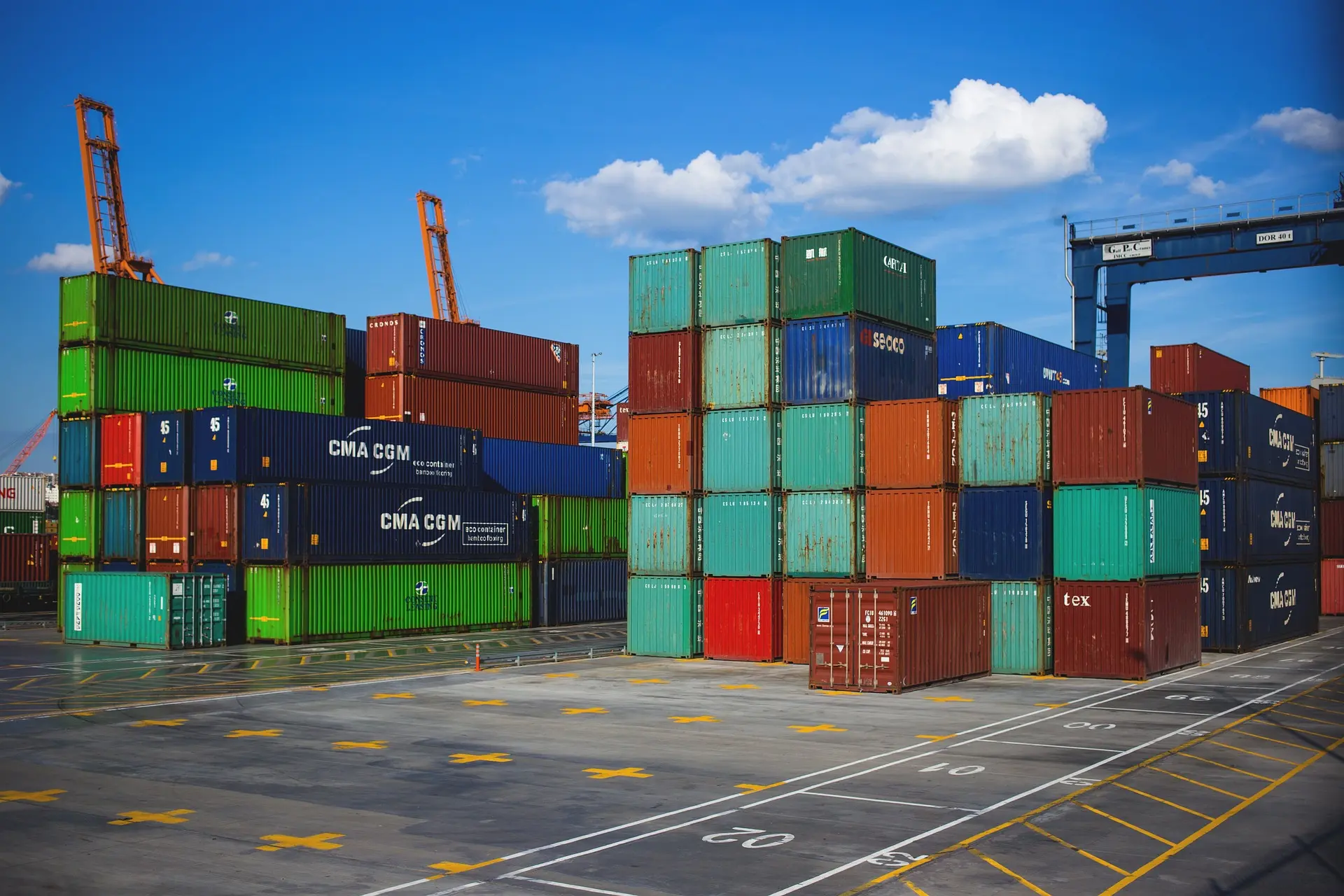
Stacked shipping containers at a busy port with cranes, awaiting UK customs clearance

How Does the Customs Clearance Process Work in the UK?

Although every shipment is different, the customs clearance process generally follows the same steps.

Step 1: Goods Arrive in the UK

Your shipment arrives at a UK port, airport, rail terminal, or inland border facility.

Depending on the mode of transport, goods may arrive by container ship, aircraft, truck, or rail.

Step 2: Customs Declaration is Submitted

Before the shipment can be released, a customs declaration must be submitted electronically to HMRC via the Customs Declaration Service (CDS).

The declaration includes important information such as:

  • Importer and exporter details

  • Commodity (HS) code

  • Customs value

  • Country of origin

  • Customs procedure code (CPC)

  • Goods description

  • Supporting documentation

Accurate declarations are essential to avoid delays and additional customs queries.

Step 3: HMRC Reviews the Declaration

Once submitted, HMRC performs a risk assessment. The shipment may be:

  • Released immediately

  • Selected for documentary checks

  • Referred for a Border Force inspection

  • Examined by Port Health or other regulatory authorities

  • Held pending additional information

Most declarations are processed electronically, but higher-risk shipments may require further checks.

Step 4: Import Duty and VAT are Accounted For

If applicable, import duty and VAT are calculated based on the customs value of the goods. Payment can usually be made through:

  • A Duty Deferment Account

  • Immediate payment

  • Postponed VAT Accounting (PVA)

Once any applicable charges have been accounted for, HMRC authorises the release of the shipment.

Step 5: Goods are Released

After customs clearance has been completed, the shipment is released for collection or final delivery. 

The goods can then continue to a warehouse, distribution centre, retail location, or directly to the customer.

The Key Documents You Need

Preparing the correct documentation before your shipment arrives is one of the most effective ways to avoid customs delays.

Although requirements vary depending on the type of goods being imported or exported, the following documents are commonly required:

  1. Commercial Invoice: The commercial invoice provides information about the goods, including their value, description, quantity, seller, and buyer.

  2. Packing List: The packing list outlines how the goods are packed, including the number of cartons, weights, dimensions, and package contents.

  3. Bill of Lading (B/L) or Air Waybill (AWB): These transport documents confirm that the carrier has received the goods and is responsible for transporting them to their destination.

  4. Import Licences and Certificates: Certain goods, such as food products, chemicals, medical devices, or controlled items, may require additional licences or health certificates before they can be imported into the UK.

Ensuring these documents are complete and accurate before your shipment arrives significantly reduces the likelihood of customs delays.

Customs officer in a high-visibility vest reviewing import documentation and invoices

Who Handles Customs Clearance?  Doing It Yourself vs Customs Agent

When importing or exporting goods, businesses have two options: managing customs declarations themselves or appointing a customs clearance agent to act on their behalf.

While it is possible to complete customs declarations independently, many businesses choose to work with a customs broker due to the complexity of UK customs regulations and the potential cost of mistakes.

Option 1: Completing Customs Clearance Yourself

Businesses can submit their own customs declarations, but this requires a thorough understanding of UK customs legislation and access to the appropriate systems.

To complete declarations yourself, you'll typically need:

  • A UK EORI Number

  • Access to the Customs Declaration Service (CDS)

  • Customs declaration software or an approved provider

  • Knowledge of commodity (HS) codes

  • Understanding of Customs Procedure Codes (CPC)

  • Experience calculating customs values, import duty, and VAT

  • Familiarity with HMRC customs regulations

Although this approach may seem cost-effective, even a small error can result in shipment delays, customs queries, additional storage charges, or penalties from HMRC.

Unless your business has in-house customs expertise, managing declarations yourself can become time-consuming and increase the risk of costly mistakes.

Option 2: Using a Customs Clearance Agent

Many importers and exporters choose to appoint a customs clearance agent to manage the customs process on their behalf.

A customs agent acts as your representative, preparing and submitting customs declarations while ensuring your shipments comply with HMRC requirements.

A customs clearance agent typically:

  • Prepares import and export declarations

  • Classifies goods using the correct commodity codes

  • Calculates import duty and VAT

  • Advises on customs procedures and reliefs

  • Communicates directly with HMRC

  • Responds to customs queries

  • Coordinates with Border Force and port authorities

  • Arranges the release of goods

  • Helps minimise delays and unnecessary costs

Working with an experienced customs broker allows businesses to focus on their operations while leaving customs compliance to specialists.

How Are Import Duty and VAT Calculated?

One of the most common questions importers ask is "How much import duty and VAT will I have to pay?". The answer depends on several factors, and no two shipments are the same.

HMRC calculates import charges based on information declared during customs clearance. The main factors include:

  • Commodity (HS) code

  • Country of origin

  • Customs value of the goods

  • Shipping costs

  • Insurance costs

  • Applicable trade agreements

  • Customs procedure being used

Import Duty

Import duty is calculated as a percentage of the customs value of the goods.

The applicable rate depends primarily on the commodity code and, in some cases, the country of origin. Certain goods may qualify for reduced or zero-duty rates under UK trade agreements if the correct proof of origin is provided.

Import VAT

Import VAT is generally charged at the same rate as UK domestic VAT. Unlike import duty, VAT is usually calculated on more than just the value of the goods. It may include:

  • Customs value

  • Import duty

  • Freight charges

  • Insurance costs

  • Other applicable import charges

This often means the VAT payable is higher than businesses initially expect.

Common Reasons Customs Clearance Gets Delayed

Most customs delays are preventable. The majority occur because of incomplete documentation, inaccurate declarations, or regulatory inspections. Some of the most common causes include:

  1. Incorrect Commodity Codes: Using the wrong commodity code can result in incorrect duty calculations, additional HMRC checks, or requests for amended declarations.

  2. Missing or Incorrect Commercial Invoices: Invoices that contain incomplete product descriptions, inaccurate values, or missing information are one of the most common reasons shipments are delayed.

  3. Incorrect Customs Values: Declaring the wrong customs value may result in underpaid duty, additional HMRC queries, or reassessments.

  4. Missing Import Licences: Certain products require licences or certificates before they can be imported into the UK. Without the appropriate approvals, customs cannot release the goods.

  5. Border Force Inspections: Border Force may select shipments for physical examination as part of routine risk assessments. Although these inspections are not necessarily caused by errors, they can increase clearance times.

  6. Port Health and Regulatory Checks: Products such as food, plants, animal products, cosmetics, chemicals, and medical devices may require inspections by Port Health or other regulatory authorities before release.

  7. Incorrect Country of Origin: Declaring the wrong country of origin may affect duty rates and eligibility for preferential trade agreements.

  8. Incomplete Product Descriptions: Descriptions such as "parts," "samples," or "accessories" often generate customs queries because they do not provide enough information to classify the goods correctly. Providing detailed and accurate product descriptions helps reduce the likelihood of delays.

How Much Does Customs Clearance Cost?

There is no fixed customs clearance fee because every shipment is different. The total cost depends on several factors, including the type of goods being imported, the customs procedure required, and any additional services needed. Typical costs may include:

  • Customs clearance fees

  • Import duty

  • Import VAT

  • Port handling charges

  • Shipping line or airline charges

  • Storage charges (if goods are delayed)

  • Examination fees (if selected for inspection)

  • Delivery or transport charges

While it may be tempting to choose the lowest-priced customs service, errors during customs clearance can often result in far greater costs through delays, storage fees, or penalties.

Working with an experienced customs clearance agent helps ensure declarations are completed accurately, reducing the likelihood of unexpected expenses.

At Mercium Ltd, we provide transparent pricing and clear advice, so you understand the costs involved before your shipment arrives.

Why Choose Mercium Ltd for Customs Clearance?

Navigating UK customs regulations can be challenging, particularly for businesses importing for the first time or managing regular international shipments.

Our experienced customs specialists can assist with:

  • Import Customs Declarations

  • Export Customs Declarations

  • Air Freight Customs Clearance

  • Sea Freight Customs Clearance

  • Road Freight Customs Clearance

  • Transit Documentation (T1)

  • Customs Warehousing

  • Duty and VAT Guidance

  • HMRC Customs Queries

  • Border Force & Regulatory Liaison

  • Documentation Review and Compliance Checks

Whether your shipment arrives by air, sea, or road, we work closely with carriers, ports, and customs authorities to ensure your goods are cleared as quickly and efficiently as possible.

Our goal is simple: minimise delays, reduce unnecessary costs, and provide you with confidence that your shipments are fully compliant with UK customs regulations. If you're looking for a trusted customs clearance partner in the UK, Mercium Ltd is here to help.

Our customs specialists can guide you through every stage of the import and export process, helping you avoid delays, reduce unnecessary costs, and ensure your shipments remain fully compliant with HMRC regulations.

Contact Mercium Ltd today to discuss your customs clearance requirements and discover how we can help keep your goods moving smoothly across borders.

常见问题

为您解答疑问

快速获取关于我们服务的常见问题解答

我们如何支持小企业或首次从英国进口的进口商?

1. 循序渐进的指导:我们引导新进口商完成从 EORI 注册到最终清关的整个进口流程,并对商业发票、装箱单和申报要求提供清晰的说明。 2. 单证协助:我们协助确保所有文件完整准确,以防止海关延误或拒单,并提供海关编码(HS code)分类、估价和原产地声明方面的支持。 3. 使用我司的延期纳税账户:尚未建立延期纳税账户的小型企业可以使用我司的账户立即缴纳关税和增值税,从而加快清关速度。 4. 透明的定价:我们提供清晰、前期的报价,无任何隐藏费用,非常适合预算紧张的小型企业。 5. 沟通与培训:我们用通俗易懂的语言解释海关程序,并在整个流程中提供 24/7 全天候的电话/电子邮件支持。 6. 可选的一站式服务:从港口清关到最终送货,我们提供 DDP/DAP 支持,让小型企业能够专注于销售而非物流。

是什么让我们的运输解决方案比竞争对手更具成本效益?

我们的运输服务极具价格优势,这得益于: * 自有车队和直接港口通道,减少了第三方处理成本 * 仓储与配送一体化工作流程,最大限度地减少了周转时间和成本 * 庞大的托盘网络合作伙伴关系,使我们能够以极具竞争力的零担运输(groupage)费率辐射全国 * 实时路线优化和跟踪,减少了燃油消耗和配送失误 这种混合模式使我们能够根据每位客户的需求,提供可扩展、灵活且经济实惠的个性化物流服务。

我们如何通过保税仓储帮助进口商延迟缴纳增值税或关税?

我们协助进口商利用保税仓储来更有效地管理其现金流,方法是通过延迟支付进口增值税和关税。具体如下: 1. 货物存放在保税设施期间,无需缴纳任何增值税或关税。 2. 进口商只有在货物移出仓库并释放到英国市场自由流通时,才需要缴纳关税和增值税。 3. 如果货物直接从保税仓库再出口到其他国家,则完全无需缴纳英国增值税或关税。 4. 这对于仅将英国作为存储或海外重新分销目的地的进口业务来说,是极其理想的选择。 5. 通过延迟缴纳增值税/关税,进口商得以保留营运资金,并可将其用于其他业务运营。

我们是否支持电子商务或亚马逊卖家?如何支持?

是的,我们积极支持电子商务和亚马逊(Amazon)卖家,提供一系列专为在线零售业务定制的全面仓储与一件代发(履行)服务。以下是我们的支持方式: * FBA 预处理服务(FBA Prep Services):我们按照亚马逊严格的 FBA 要求,提供贴标、捆绑、套塑料袋和合规性检查,为亚马逊运营中心准备库存。 * FBM(卖家自配送)支持:对于使用亚马逊 FBM 或其他电商平台(如 Shopify、eBay、Etsy)的客户,我们通过整合的快递服务,直接为终端客户提供拣货、包装和发货服务。 * 退货处理:我们处理终端客户的退货,进行质量检查,并根据卖家的指令进行重新上架或销毁处理。 * 进口商品仓储:卖家可以将商品免税储存在我们的保税仓库中,并根据销量逐步转移库存,从而减少前期的税收负担。 我们的服务助力电商品牌和亚马逊卖家实现高效扩张、保持合规并降低运营成本。

我们是否提供短期和长期仓储合同?请解释一下。

是的,我们提供短期和长期仓储解决方案,具体取决于客户的需求: * 短期仓储:非常适合季节性库存、促销活动或临时爆仓。客户可享受灵活、按需付费且无需长期承诺的方案——完美契合快速流动的电子商务或基于项目的仓储需求。 * 长期仓储:专为大宗库存、周转缓慢的货物或等待清关、分销的保税货物而设计。我们为长期存放提供优惠的费率,并可将仓储与分拣包装或重新贴标等增值服务相结合。 我们的灵活性允许客户根据需要随时扩大或缩小规模,且只需为实际使用的空间和业务付费。这种敏捷性使我们成为成长型初创企业和成熟品牌的强有力合作伙伴。

常见问题

为您解答疑问

快速获取关于我们服务的常见问题解答

我们如何支持小企业或首次从英国进口的进口商?

1. 循序渐进的指导:我们引导新进口商完成从 EORI 注册到最终清关的整个进口流程,并对商业发票、装箱单和申报要求提供清晰的说明。 2. 单证协助:我们协助确保所有文件完整准确,以防止海关延误或拒单,并提供海关编码(HS code)分类、估价和原产地声明方面的支持。 3. 使用我司的延期纳税账户:尚未建立延期纳税账户的小型企业可以使用我司的账户立即缴纳关税和增值税,从而加快清关速度。 4. 透明的定价:我们提供清晰、前期的报价,无任何隐藏费用,非常适合预算紧张的小型企业。 5. 沟通与培训:我们用通俗易懂的语言解释海关程序,并在整个流程中提供 24/7 全天候的电话/电子邮件支持。 6. 可选的一站式服务:从港口清关到最终送货,我们提供 DDP/DAP 支持,让小型企业能够专注于销售而非物流。

是什么让我们的运输解决方案比竞争对手更具成本效益?

我们的运输服务极具价格优势,这得益于: * 自有车队和直接港口通道,减少了第三方处理成本 * 仓储与配送一体化工作流程,最大限度地减少了周转时间和成本 * 庞大的托盘网络合作伙伴关系,使我们能够以极具竞争力的零担运输(groupage)费率辐射全国 * 实时路线优化和跟踪,减少了燃油消耗和配送失误 这种混合模式使我们能够根据每位客户的需求,提供可扩展、灵活且经济实惠的个性化物流服务。

我们如何通过保税仓储帮助进口商延迟缴纳增值税或关税?

我们协助进口商利用保税仓储来更有效地管理其现金流,方法是通过延迟支付进口增值税和关税。具体如下: 1. 货物存放在保税设施期间,无需缴纳任何增值税或关税。 2. 进口商只有在货物移出仓库并释放到英国市场自由流通时,才需要缴纳关税和增值税。 3. 如果货物直接从保税仓库再出口到其他国家,则完全无需缴纳英国增值税或关税。 4. 这对于仅将英国作为存储或海外重新分销目的地的进口业务来说,是极其理想的选择。 5. 通过延迟缴纳增值税/关税,进口商得以保留营运资金,并可将其用于其他业务运营。

我们是否支持电子商务或亚马逊卖家?如何支持?

是的,我们积极支持电子商务和亚马逊(Amazon)卖家,提供一系列专为在线零售业务定制的全面仓储与一件代发(履行)服务。以下是我们的支持方式: * FBA 预处理服务(FBA Prep Services):我们按照亚马逊严格的 FBA 要求,提供贴标、捆绑、套塑料袋和合规性检查,为亚马逊运营中心准备库存。 * FBM(卖家自配送)支持:对于使用亚马逊 FBM 或其他电商平台(如 Shopify、eBay、Etsy)的客户,我们通过整合的快递服务,直接为终端客户提供拣货、包装和发货服务。 * 退货处理:我们处理终端客户的退货,进行质量检查,并根据卖家的指令进行重新上架或销毁处理。 * 进口商品仓储:卖家可以将商品免税储存在我们的保税仓库中,并根据销量逐步转移库存,从而减少前期的税收负担。 我们的服务助力电商品牌和亚马逊卖家实现高效扩张、保持合规并降低运营成本。

我们是否提供短期和长期仓储合同?请解释一下。

是的,我们提供短期和长期仓储解决方案,具体取决于客户的需求: * 短期仓储:非常适合季节性库存、促销活动或临时爆仓。客户可享受灵活、按需付费且无需长期承诺的方案——完美契合快速流动的电子商务或基于项目的仓储需求。 * 长期仓储:专为大宗库存、周转缓慢的货物或等待清关、分销的保税货物而设计。我们为长期存放提供优惠的费率,并可将仓储与分拣包装或重新贴标等增值服务相结合。 我们的灵活性允许客户根据需要随时扩大或缩小规模,且只需为实际使用的空间和业务付费。这种敏捷性使我们成为成长型初创企业和成熟品牌的强有力合作伙伴。

常见问题

为您解答疑问

快速获取关于我们服务的常见问题解答

我们如何支持小企业或首次从英国进口的进口商?

1. 循序渐进的指导:我们引导新进口商完成从 EORI 注册到最终清关的整个进口流程,并对商业发票、装箱单和申报要求提供清晰的说明。 2. 单证协助:我们协助确保所有文件完整准确,以防止海关延误或拒单,并提供海关编码(HS code)分类、估价和原产地声明方面的支持。 3. 使用我司的延期纳税账户:尚未建立延期纳税账户的小型企业可以使用我司的账户立即缴纳关税和增值税,从而加快清关速度。 4. 透明的定价:我们提供清晰、前期的报价,无任何隐藏费用,非常适合预算紧张的小型企业。 5. 沟通与培训:我们用通俗易懂的语言解释海关程序,并在整个流程中提供 24/7 全天候的电话/电子邮件支持。 6. 可选的一站式服务:从港口清关到最终送货,我们提供 DDP/DAP 支持,让小型企业能够专注于销售而非物流。

是什么让我们的运输解决方案比竞争对手更具成本效益?

我们的运输服务极具价格优势,这得益于: * 自有车队和直接港口通道,减少了第三方处理成本 * 仓储与配送一体化工作流程,最大限度地减少了周转时间和成本 * 庞大的托盘网络合作伙伴关系,使我们能够以极具竞争力的零担运输(groupage)费率辐射全国 * 实时路线优化和跟踪,减少了燃油消耗和配送失误 这种混合模式使我们能够根据每位客户的需求,提供可扩展、灵活且经济实惠的个性化物流服务。

我们如何通过保税仓储帮助进口商延迟缴纳增值税或关税?

我们协助进口商利用保税仓储来更有效地管理其现金流,方法是通过延迟支付进口增值税和关税。具体如下: 1. 货物存放在保税设施期间,无需缴纳任何增值税或关税。 2. 进口商只有在货物移出仓库并释放到英国市场自由流通时,才需要缴纳关税和增值税。 3. 如果货物直接从保税仓库再出口到其他国家,则完全无需缴纳英国增值税或关税。 4. 这对于仅将英国作为存储或海外重新分销目的地的进口业务来说,是极其理想的选择。 5. 通过延迟缴纳增值税/关税,进口商得以保留营运资金,并可将其用于其他业务运营。

我们是否支持电子商务或亚马逊卖家?如何支持?

是的,我们积极支持电子商务和亚马逊(Amazon)卖家,提供一系列专为在线零售业务定制的全面仓储与一件代发(履行)服务。以下是我们的支持方式: * FBA 预处理服务(FBA Prep Services):我们按照亚马逊严格的 FBA 要求,提供贴标、捆绑、套塑料袋和合规性检查,为亚马逊运营中心准备库存。 * FBM(卖家自配送)支持:对于使用亚马逊 FBM 或其他电商平台(如 Shopify、eBay、Etsy)的客户,我们通过整合的快递服务,直接为终端客户提供拣货、包装和发货服务。 * 退货处理:我们处理终端客户的退货,进行质量检查,并根据卖家的指令进行重新上架或销毁处理。 * 进口商品仓储:卖家可以将商品免税储存在我们的保税仓库中,并根据销量逐步转移库存,从而减少前期的税收负担。 我们的服务助力电商品牌和亚马逊卖家实现高效扩张、保持合规并降低运营成本。

我们是否提供短期和长期仓储合同?请解释一下。

是的,我们提供短期和长期仓储解决方案,具体取决于客户的需求: * 短期仓储:非常适合季节性库存、促销活动或临时爆仓。客户可享受灵活、按需付费且无需长期承诺的方案——完美契合快速流动的电子商务或基于项目的仓储需求。 * 长期仓储:专为大宗库存、周转缓慢的货物或等待清关、分销的保税货物而设计。我们为长期存放提供优惠的费率,并可将仓储与分拣包装或重新贴标等增值服务相结合。 我们的灵活性允许客户根据需要随时扩大或缩小规模,且只需为实际使用的空间和业务付费。这种敏捷性使我们成为成长型初创企业和成熟品牌的强有力合作伙伴。

一键开启您的旅程

立即与我们联系,获取针对您需求量身定制的专家服务

背景网格点

一键开启您的旅程

立即与我们联系,获取针对您需求量身定制的专家服务

背景网格点

一键开启您的旅程

立即与我们联系,获取针对您需求量身定制的专家服务

背景网格点