Common Freight Terms Every Shipper Should Know: A Practical Glossary

洞察

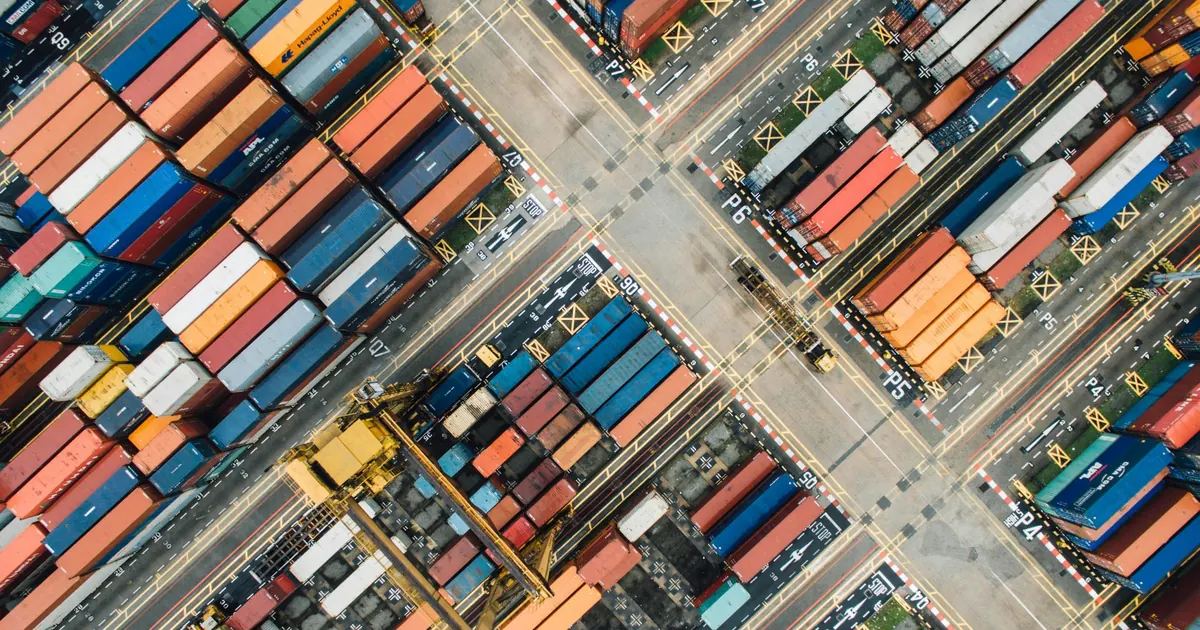
Aerial view of a busy container terminal with rows of colorful shipping containers, cranes, and marked freight lanes.

目录

目录

If you've ever received a freight quotation and wondered why it contains more abbreviations than a text message, you're certainly not alone.

FCL, LCL, ETA, ETD, AWB, B/L, GRI, BAF, PSS, CBM... freight forwarding has its own language, and understanding it can make a surprising difference when you're comparing quotations, planning shipments, or discussing delivery arrangements.

After nine years of working with different types of freight, countries, carriers, and customs procedures, I've learned that understanding the terminology is not just useful—it can help prevent misunderstandings and unexpected costs.

The good news is that you don't need to become a freight forwarding expert overnight. Once you understand the most common terms, shipping conversations become much easier.
So, let's translate some of the industry's most frequently used terms into plain English.

Incoterms® — What They Are and Why They Matter

Incoterms® are internationally recognised trade terms published by the International Chamber of Commerce (ICC). They define important responsibilities between the buyer and seller, including who arranges transportation, who pays certain costs, and when the risk transfers from seller to buyer.
In simple terms, Incoterms help answer an important question:
"Who is responsible for what, and where?"
Some commonly used Incoterms® include:

EXW — Ex Works

The seller makes the goods available at their premises. The buyer generally takes responsibility for arranging collection, transportation, export formalities, and the remaining journey.
Practical point: EXW can appear attractive because the seller's responsibility is limited, but the buyer takes on much more of the logistics process.

FCA — Free Carrier

The seller delivers the goods to an agreed carrier or location, with responsibilities divided according to the agreed FCA point.
FCA can be particularly useful for international shipments where the buyer wants greater control over the main transportation.

FOB — Free On Board

Commonly used for sea freight, FOB generally means the seller is responsible for getting the goods on board the vessel at the agreed port, after which the buyer takes responsibility according to the term.

CFR — Cost and Freight

The seller arranges and pays for transportation to the named destination port, but risk transfers to the buyer when the goods are loaded on board the vessel.

CIF — Cost, Insurance and Freight

Similar to CFR, but the seller also arranges insurance for the buyer's benefit according to the applicable Incoterms® requirements.

DAP — Delivered at Place

The seller arranges transportation to the agreed destination, with the buyer generally responsible for import clearance, duties, and taxes.

DDP — Delivered Duty Paid

The seller takes on extensive responsibility, including delivery, import clearance, duties, and taxes, subject to the practical ability to fulfil those obligations in the destination country.

Important: Incoterms® are not simply shipping methods. They allocate specific responsibilities, costs, and risks between buyer and seller. Choosing the wrong term can create confusion later—particularly when the commercial agreement and actual logistics arrangements don't match.

Shipping and Transport Terms

FCL — Full Container Load

FCL means cargo is shipped in a dedicated container for one shipper.
The container doesn't necessarily have to be physically full to be considered FCL. The key point is that the container is allocated to one shipment rather than being shared with unrelated cargo.
Best suited for: Larger shipments, regular imports, and cargo where a dedicated container makes commercial sense.

LCL — Less than Container Load

LCL is used when your cargo does not require a full container. Your goods share container space with cargo belonging to other shippers.
Best suited for: Smaller shipments where using an entire container would not be economical.
The trade-off is that LCL can involve additional handling and consolidation/deconsolidation stages.

AWB — Air Waybill

An AWB is the transport document used for air freight. It contains important information about the shipment, shipper, consignee, routing, and cargo.
Think of it as one of the key documents connecting your cargo with its air transportation journey.

B/L — Bill of Lading

A Bill of Lading is a key document used in sea freight. It contains details about the shipment and the parties involved and serves important functions in the carriage of goods.
There are different types of Bills of Lading, so the exact rights and functions can depend on the document and circumstances.

ETA — Estimated Time of Arrival

ETA tells you when a vessel, aircraft, truck, or shipment is expected to arrive.
The important word here is estimated.
An ETA is not a guarantee. Weather, port congestion, operational issues, customs procedures, and other factors can affect the actual arrival time.

ETD — Estimated Time of Departure

ETD indicates when a shipment, vessel, aircraft, or truck is expected to leave its origin.
As with ETA, it is an estimate rather than a promise carved into stone.

Transhipment

Transhipment occurs when cargo is transferred from one vessel, aircraft, or transport service to another before reaching its final destination.
For example, a container may travel from Asia to a European hub before being loaded onto another vessel for its final port.
Transhipment can provide wider routing options but may also add additional handling and transit time.

Multimodal Transport

Multimodal transport involves using more than one mode of transportation during the shipment journey.

For example:
Sea freight → Road freight → Final delivery
or:
Air freight → Road freight → Final delivery

This allows logistics providers to combine the strengths of different transport modes.

Door-to-Door

Door-to-door means the logistics service is arranged from the collection point through to the final delivery address.
This can simplify the process for businesses because they don't have to separately arrange every stage of the journey.

Documentation Terms

Documentation is one of the most important parts of international shipping.
Cargo can be perfectly packed, correctly labelled, and sitting at the airport or port ready to move, but if the paperwork is incomplete or inaccurate, the shipment may not go anywhere.

In freight forwarding, paperwork doesn't just support the shipment. Sometimes, paperwork is the shipment.

CI — Commercial Invoice

The commercial invoice provides key information about the transaction and goods, including seller, buyer, description, value, currency, and other relevant details.
It is also an important document for customs purposes.

PL — Packing List

A packing list provides information about how the goods are packed, including quantities, package details, weights, and dimensions where applicable.
It helps carriers, customs authorities, warehouses, and receiving teams understand what is physically being shipped.

COO — Certificate of Origin

A Certificate of Origin identifies the country in which goods originate, subject to the applicable rules and certification requirements.
Country of origin can be important for customs treatment, trade measures, and duty considerations.

Customs Declaration

A customs declaration provides customs authorities with the information required to assess and process imported or exported goods.
The declaration normally includes information such as the goods description, commodity code, value, origin, procedure, and other relevant data.

DO — Delivery Order

A Delivery Order is a document or instruction used in the cargo release and delivery process, depending on the shipment and parties involved.

Cost and Pricing Terms

Freight quotations can sometimes look like they were written in another language.
Fortunately, once you understand the abbreviations, they become much easier to follow.

CBM — Cubic Metre

CBM measures the volume of cargo.
It is important in air and sea freight, especially when calculating freight charges and booking cargo with airline or with consolidator for LCL.

For example:
Length × Width × Height = Volume
If your cargo measures 2m × 1m × 1m:
2 × 1 × 1 = 2 CBM
The dimensions and calculation method can vary depending on how the carrier or forwarder applies its pricing rules.

GRI — General Rate Increase

A GRI is an increase announced by a carrier to its freight rates, often affecting particular trade lanes or services.
GRIs can have a direct impact on shipping budgets, particularly for businesses moving regular volumes.

BAF — Bunker Adjustment Factor

BAF is a surcharge associated with fuel costs in ocean transportation.
Because fuel prices can fluctuate, carriers may use a BAF mechanism to adjust freight costs accordingly.

PSS — Peak Season Surcharge

A PSS is an additional charge that may be applied during periods of particularly high shipping demand.
During peak periods, capacity becomes more limited and demand increases, which can push transportation costs higher.
Practical lesson: If your business has predictable seasonal demand, planning shipments early can make a significant difference.

Other Common Pricing Terms

THC — Terminal Handling Charge

A charge associated with handling cargo at a port or terminal.

W/M — Weight or Measure

A pricing method commonly encountered in certain freight calculations where the charge may be based on either weight or volume, depending on the applicable tariff.

Freight Rate

The amount charged for transporting cargo from one location to another, before considering additional applicable charges.

Origin Charges

Costs incurred at the shipment's origin, which may include handling, documentation, collection, or terminal-related charges depending on the shipment.

Destination Charges

Costs incurred at the destination, which may include handling, documentation, delivery, or terminal-related charges.

Demurrage

Demurrage generally refers to charges associated with keeping a container at a terminal beyond the allowed free time.

Detention

Detention generally refers to charges for retaining a carrier's container outside the terminal beyond the permitted free time.
These terms are often confused, but they are not the same. Understanding the difference can help businesses avoid unnecessary charges. Read our guide on how to avoid demurrage and detention charges.

Customs and Clearance Terms

For international shipments, customs is where logistics meets regulation.
Understanding a few key customs terms can make conversations with your freight forwarder much easier.

EOR — Exporter of Record

The EOR is the individual or company responsible for ensuring that goods being exported comply with the export requirements of the country from which they are being shipped.

IOR — Importer of Record

The IOR is the individual or company responsible for ensuring that imported goods comply with the customs and import requirements of the destination country.

EORI — Economic Operators Registration and Identification

An EORI number is used to identify economic operators when dealing with customs authorities in the relevant jurisdiction.
Businesses involved in importing or exporting may need an EORI number depending on the country and circumstances.

HS Code — Harmonised System Code

HS codes are internationally recognised classifications used to identify goods for customs purposes.
The correct classification is important because it can affect duty rates, taxes, trade measures, licensing requirements, and other customs controls.
A product description such as "machine parts" may not be enough for customs purposes. The exact nature and function of the goods matter.

Commodity Code

A commodity code is used to classify goods for customs purposes. In the UK, commodity codes are particularly important when determining applicable customs duties, import VAT treatment, restrictions, and other requirements.

Import Duty

Import duty is a customs charge that may apply when goods enter a country, depending on factors such as the commodity classification, origin, customs value, and applicable trade arrangements.

Import VAT

Import VAT may be payable when goods are imported, depending on the circumstances and applicable rules.
Businesses should understand whether VAT is payable at importation or whether an available accounting mechanism, such as Postponed VAT Accounting (PVA) in the UK, applies.

PVA — Postponed VAT Accounting

PVA allows eligible UK VAT-registered businesses to account for import VAT on their VAT Return rather than paying the import VAT immediately at the point of customs clearance, subject to the applicable requirements.
For businesses managing regular imports, understanding PVA can be important for cash-flow planning.

Customs Clearance

Customs clearance is the process of submitting the required information and completing the relevant customs formalities so goods can legally enter or leave a country.
It is one of the areas where accuracy matters most.
A wrong commodity code, incorrect customs value, missing document, or inconsistent shipment information can lead to delays or additional costs.

Customs Value

The customs value is the value used by customs authorities to assess certain customs charges and, where applicable, import VAT.
The method used to determine customs value depends on the applicable customs valuation rules and circumstances.

Country of Origin

Country of origin refers to the country where goods are considered to have originated under the applicable rules.
It is not necessarily the same as the country from which the goods were shipped.
This distinction is important because origin can affect duty rates, trade preferences, restrictions, and other customs requirements.

Why Understanding Freight Terms Matters

You don't need to memorise every abbreviation in the freight forwarding industry. However, understanding the commonly used terms can make a real difference.

When you know the difference between FCL and LCL, you can better understand your shipping options. When you understand ETA and ETD, you can plan inventory and deliveries more effectively. When you recognise GRI, BAF, and PSS, freight quotations become much easier to interpret. And when you understand HS codes, EORI, customs value, and PVA, discussions about customs clearance become far less complicated.

Most importantly, don't hesitate to ask your freight forwarder when a term or charge isn't clear. A good logistics partner should be able to explain complicated shipping terminology in plain English not make it sound even more complicated.

One thing I can confidently say is this: there are already enough surprises in international shipping without letting the vocabulary become one of them. Understanding the language of freight is the first step towards making better shipping decisions, controlling costs, and keeping your supply chain moving.


常见问题

为您解答疑问

快速获取关于我们服务的常见问题解答

我们如何支持小企业或首次从英国进口的进口商?

1. 循序渐进的指导:我们引导新进口商完成从 EORI 注册到最终清关的整个进口流程,并对商业发票、装箱单和申报要求提供清晰的说明。 2. 单证协助:我们协助确保所有文件完整准确,以防止海关延误或拒单,并提供海关编码(HS code)分类、估价和原产地声明方面的支持。 3. 使用我司的延期纳税账户:尚未建立延期纳税账户的小型企业可以使用我司的账户立即缴纳关税和增值税,从而加快清关速度。 4. 透明的定价:我们提供清晰、前期的报价,无任何隐藏费用,非常适合预算紧张的小型企业。 5. 沟通与培训:我们用通俗易懂的语言解释海关程序,并在整个流程中提供 24/7 全天候的电话/电子邮件支持。 6. 可选的一站式服务:从港口清关到最终送货,我们提供 DDP/DAP 支持,让小型企业能够专注于销售而非物流。

是什么让我们的运输解决方案比竞争对手更具成本效益?

我们的运输服务极具价格优势,这得益于: * 自有车队和直接港口通道,减少了第三方处理成本 * 仓储与配送一体化工作流程,最大限度地减少了周转时间和成本 * 庞大的托盘网络合作伙伴关系,使我们能够以极具竞争力的零担运输(groupage)费率辐射全国 * 实时路线优化和跟踪,减少了燃油消耗和配送失误 这种混合模式使我们能够根据每位客户的需求,提供可扩展、灵活且经济实惠的个性化物流服务。

我们如何通过保税仓储帮助进口商延迟缴纳增值税或关税?

我们协助进口商利用保税仓储来更有效地管理其现金流,方法是通过延迟支付进口增值税和关税。具体如下: 1. 货物存放在保税设施期间,无需缴纳任何增值税或关税。 2. 进口商只有在货物移出仓库并释放到英国市场自由流通时,才需要缴纳关税和增值税。 3. 如果货物直接从保税仓库再出口到其他国家,则完全无需缴纳英国增值税或关税。 4. 这对于仅将英国作为存储或海外重新分销目的地的进口业务来说,是极其理想的选择。 5. 通过延迟缴纳增值税/关税,进口商得以保留营运资金,并可将其用于其他业务运营。

我们是否支持电子商务或亚马逊卖家?如何支持?

是的,我们积极支持电子商务和亚马逊(Amazon)卖家,提供一系列专为在线零售业务定制的全面仓储与一件代发(履行)服务。以下是我们的支持方式: * FBA 预处理服务(FBA Prep Services):我们按照亚马逊严格的 FBA 要求,提供贴标、捆绑、套塑料袋和合规性检查,为亚马逊运营中心准备库存。 * FBM(卖家自配送)支持:对于使用亚马逊 FBM 或其他电商平台(如 Shopify、eBay、Etsy)的客户,我们通过整合的快递服务,直接为终端客户提供拣货、包装和发货服务。 * 退货处理:我们处理终端客户的退货,进行质量检查,并根据卖家的指令进行重新上架或销毁处理。 * 进口商品仓储:卖家可以将商品免税储存在我们的保税仓库中,并根据销量逐步转移库存,从而减少前期的税收负担。 我们的服务助力电商品牌和亚马逊卖家实现高效扩张、保持合规并降低运营成本。

我们是否提供短期和长期仓储合同?请解释一下。

是的,我们提供短期和长期仓储解决方案,具体取决于客户的需求: * 短期仓储:非常适合季节性库存、促销活动或临时爆仓。客户可享受灵活、按需付费且无需长期承诺的方案——完美契合快速流动的电子商务或基于项目的仓储需求。 * 长期仓储:专为大宗库存、周转缓慢的货物或等待清关、分销的保税货物而设计。我们为长期存放提供优惠的费率,并可将仓储与分拣包装或重新贴标等增值服务相结合。 我们的灵活性允许客户根据需要随时扩大或缩小规模,且只需为实际使用的空间和业务付费。这种敏捷性使我们成为成长型初创企业和成熟品牌的强有力合作伙伴。

常见问题

为您解答疑问

快速获取关于我们服务的常见问题解答

我们如何支持小企业或首次从英国进口的进口商?

1. 循序渐进的指导:我们引导新进口商完成从 EORI 注册到最终清关的整个进口流程,并对商业发票、装箱单和申报要求提供清晰的说明。 2. 单证协助:我们协助确保所有文件完整准确,以防止海关延误或拒单,并提供海关编码(HS code)分类、估价和原产地声明方面的支持。 3. 使用我司的延期纳税账户:尚未建立延期纳税账户的小型企业可以使用我司的账户立即缴纳关税和增值税,从而加快清关速度。 4. 透明的定价:我们提供清晰、前期的报价,无任何隐藏费用,非常适合预算紧张的小型企业。 5. 沟通与培训:我们用通俗易懂的语言解释海关程序,并在整个流程中提供 24/7 全天候的电话/电子邮件支持。 6. 可选的一站式服务:从港口清关到最终送货,我们提供 DDP/DAP 支持,让小型企业能够专注于销售而非物流。

是什么让我们的运输解决方案比竞争对手更具成本效益?

我们的运输服务极具价格优势,这得益于: * 自有车队和直接港口通道,减少了第三方处理成本 * 仓储与配送一体化工作流程,最大限度地减少了周转时间和成本 * 庞大的托盘网络合作伙伴关系,使我们能够以极具竞争力的零担运输(groupage)费率辐射全国 * 实时路线优化和跟踪,减少了燃油消耗和配送失误 这种混合模式使我们能够根据每位客户的需求,提供可扩展、灵活且经济实惠的个性化物流服务。

我们如何通过保税仓储帮助进口商延迟缴纳增值税或关税?

我们协助进口商利用保税仓储来更有效地管理其现金流,方法是通过延迟支付进口增值税和关税。具体如下: 1. 货物存放在保税设施期间,无需缴纳任何增值税或关税。 2. 进口商只有在货物移出仓库并释放到英国市场自由流通时,才需要缴纳关税和增值税。 3. 如果货物直接从保税仓库再出口到其他国家,则完全无需缴纳英国增值税或关税。 4. 这对于仅将英国作为存储或海外重新分销目的地的进口业务来说,是极其理想的选择。 5. 通过延迟缴纳增值税/关税,进口商得以保留营运资金,并可将其用于其他业务运营。

我们是否支持电子商务或亚马逊卖家?如何支持?

是的,我们积极支持电子商务和亚马逊(Amazon)卖家,提供一系列专为在线零售业务定制的全面仓储与一件代发(履行)服务。以下是我们的支持方式: * FBA 预处理服务(FBA Prep Services):我们按照亚马逊严格的 FBA 要求,提供贴标、捆绑、套塑料袋和合规性检查,为亚马逊运营中心准备库存。 * FBM(卖家自配送)支持:对于使用亚马逊 FBM 或其他电商平台(如 Shopify、eBay、Etsy)的客户,我们通过整合的快递服务,直接为终端客户提供拣货、包装和发货服务。 * 退货处理:我们处理终端客户的退货,进行质量检查,并根据卖家的指令进行重新上架或销毁处理。 * 进口商品仓储:卖家可以将商品免税储存在我们的保税仓库中,并根据销量逐步转移库存,从而减少前期的税收负担。 我们的服务助力电商品牌和亚马逊卖家实现高效扩张、保持合规并降低运营成本。

我们是否提供短期和长期仓储合同?请解释一下。

是的,我们提供短期和长期仓储解决方案,具体取决于客户的需求: * 短期仓储:非常适合季节性库存、促销活动或临时爆仓。客户可享受灵活、按需付费且无需长期承诺的方案——完美契合快速流动的电子商务或基于项目的仓储需求。 * 长期仓储:专为大宗库存、周转缓慢的货物或等待清关、分销的保税货物而设计。我们为长期存放提供优惠的费率,并可将仓储与分拣包装或重新贴标等增值服务相结合。 我们的灵活性允许客户根据需要随时扩大或缩小规模,且只需为实际使用的空间和业务付费。这种敏捷性使我们成为成长型初创企业和成熟品牌的强有力合作伙伴。

常见问题

为您解答疑问

快速获取关于我们服务的常见问题解答

我们如何支持小企业或首次从英国进口的进口商?

1. 循序渐进的指导:我们引导新进口商完成从 EORI 注册到最终清关的整个进口流程,并对商业发票、装箱单和申报要求提供清晰的说明。 2. 单证协助:我们协助确保所有文件完整准确,以防止海关延误或拒单,并提供海关编码(HS code)分类、估价和原产地声明方面的支持。 3. 使用我司的延期纳税账户:尚未建立延期纳税账户的小型企业可以使用我司的账户立即缴纳关税和增值税,从而加快清关速度。 4. 透明的定价:我们提供清晰、前期的报价,无任何隐藏费用,非常适合预算紧张的小型企业。 5. 沟通与培训:我们用通俗易懂的语言解释海关程序,并在整个流程中提供 24/7 全天候的电话/电子邮件支持。 6. 可选的一站式服务:从港口清关到最终送货,我们提供 DDP/DAP 支持,让小型企业能够专注于销售而非物流。

是什么让我们的运输解决方案比竞争对手更具成本效益?

我们的运输服务极具价格优势,这得益于: * 自有车队和直接港口通道,减少了第三方处理成本 * 仓储与配送一体化工作流程,最大限度地减少了周转时间和成本 * 庞大的托盘网络合作伙伴关系,使我们能够以极具竞争力的零担运输(groupage)费率辐射全国 * 实时路线优化和跟踪,减少了燃油消耗和配送失误 这种混合模式使我们能够根据每位客户的需求,提供可扩展、灵活且经济实惠的个性化物流服务。

我们如何通过保税仓储帮助进口商延迟缴纳增值税或关税?

我们协助进口商利用保税仓储来更有效地管理其现金流,方法是通过延迟支付进口增值税和关税。具体如下: 1. 货物存放在保税设施期间,无需缴纳任何增值税或关税。 2. 进口商只有在货物移出仓库并释放到英国市场自由流通时,才需要缴纳关税和增值税。 3. 如果货物直接从保税仓库再出口到其他国家,则完全无需缴纳英国增值税或关税。 4. 这对于仅将英国作为存储或海外重新分销目的地的进口业务来说,是极其理想的选择。 5. 通过延迟缴纳增值税/关税,进口商得以保留营运资金,并可将其用于其他业务运营。

我们是否支持电子商务或亚马逊卖家?如何支持?

是的,我们积极支持电子商务和亚马逊(Amazon)卖家,提供一系列专为在线零售业务定制的全面仓储与一件代发(履行)服务。以下是我们的支持方式: * FBA 预处理服务(FBA Prep Services):我们按照亚马逊严格的 FBA 要求,提供贴标、捆绑、套塑料袋和合规性检查,为亚马逊运营中心准备库存。 * FBM(卖家自配送)支持:对于使用亚马逊 FBM 或其他电商平台(如 Shopify、eBay、Etsy)的客户,我们通过整合的快递服务,直接为终端客户提供拣货、包装和发货服务。 * 退货处理:我们处理终端客户的退货,进行质量检查,并根据卖家的指令进行重新上架或销毁处理。 * 进口商品仓储:卖家可以将商品免税储存在我们的保税仓库中,并根据销量逐步转移库存,从而减少前期的税收负担。 我们的服务助力电商品牌和亚马逊卖家实现高效扩张、保持合规并降低运营成本。

我们是否提供短期和长期仓储合同?请解释一下。

是的,我们提供短期和长期仓储解决方案,具体取决于客户的需求: * 短期仓储:非常适合季节性库存、促销活动或临时爆仓。客户可享受灵活、按需付费且无需长期承诺的方案——完美契合快速流动的电子商务或基于项目的仓储需求。 * 长期仓储:专为大宗库存、周转缓慢的货物或等待清关、分销的保税货物而设计。我们为长期存放提供优惠的费率,并可将仓储与分拣包装或重新贴标等增值服务相结合。 我们的灵活性允许客户根据需要随时扩大或缩小规模,且只需为实际使用的空间和业务付费。这种敏捷性使我们成为成长型初创企业和成熟品牌的强有力合作伙伴。

一键开启您的旅程

立即与我们联系,获取针对您需求量身定制的专家服务

背景网格点

一键开启您的旅程

立即与我们联系,获取针对您需求量身定制的专家服务

背景网格点

一键开启您的旅程

立即与我们联系,获取针对您需求量身定制的专家服务

背景网格点
// Keep below code as is and don't remove