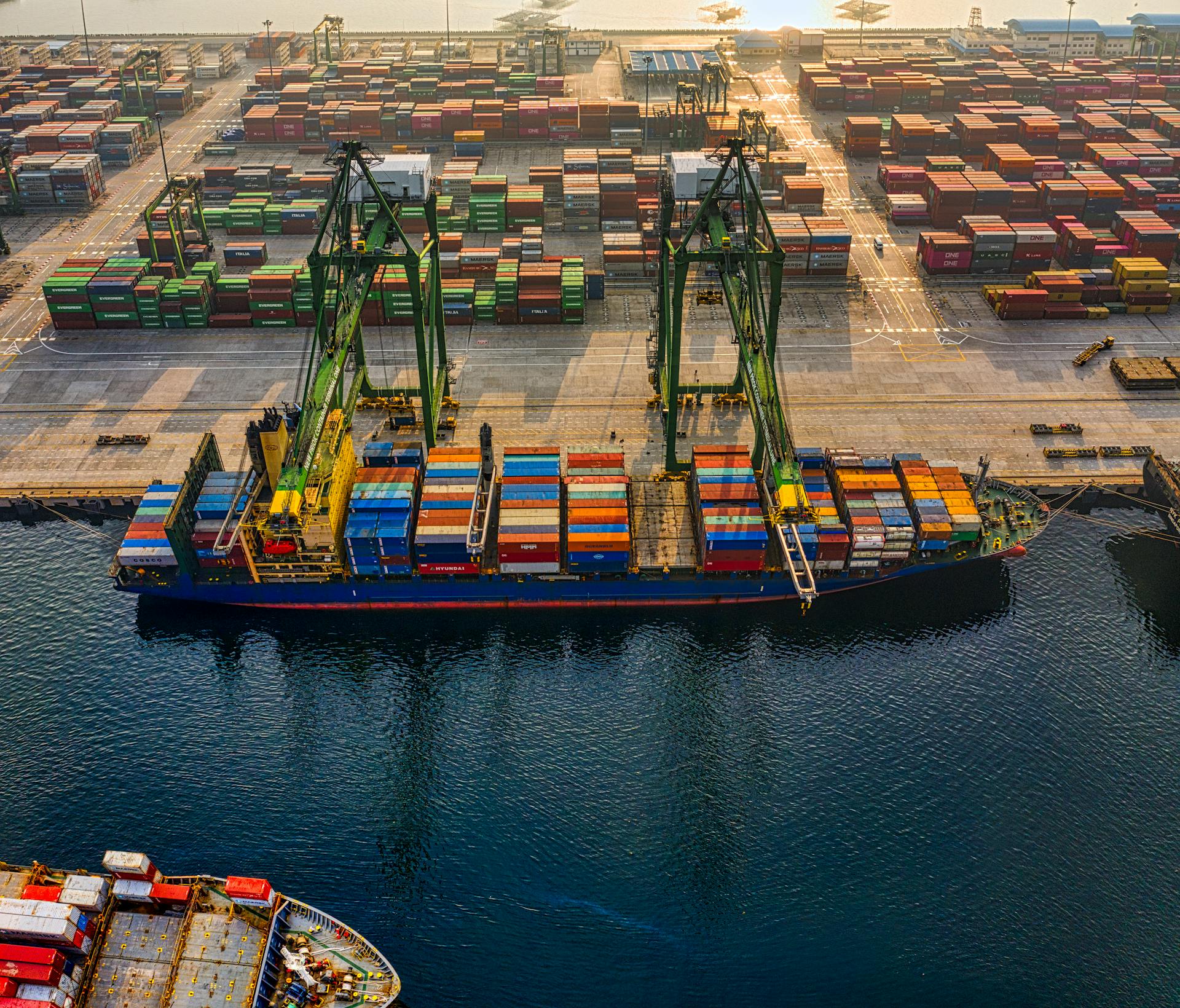
When businesses move goods across oceans, one of the first decisions they face is choosing between LCL (Less than Container Load) and FCL (Full Container Load) shipping. At first glance, the choice may seem simple: small shipments go LCL, large ones go FCL. But in reality, the cost-effectiveness of each option depends on far more than shipment size. Smart companies look deeper, analysing volume, frequency, consolidation opportunities, and supply chain goals to optimise their logistics and save significant money.
This guide explores how to evaluate LCL and FCL for your business and outlines strategies that reduce costs without sacrificing speed or reliability.
Understanding the Basics
FCL (Full Container Load): Your business books an entire shipping container, even if it’s not fully loaded. It often comes with lower per-unit shipping costs but requires higher upfront volume.
LCL (Less than Container Load): Your goods share container space with shipments from other businesses. You only pay for the volume you use, making it accessible for smaller shipments but potentially adding handling and transit time.
Both methods play vital roles in global trade. The key is knowing when and how to use them strategically.
Cost Factors Beyond Volume
Many businesses assume FCL is always cheaper once a certain volume is reached. While that’s often true, other variables influence cost:
Port Fees and Handling Costs – LCL shipments incur multiple handling stages, which can increase destination charges. FCL avoids much of this but may leave unused space you’re still paying for.
Transit Times – Consolidation in LCL often extends delivery schedules. For time-sensitive goods, FCL may reduce indirect costs by getting products to market faster.
Risk of Delays or Damage – With LCL, your goods move with others, meaning delays in customs for one shipper can affect everyone. Damage risks are also slightly higher due to frequent handling.
Storage and Inventory Costs – Ordering larger shipments with FCL might lower per-unit freight, but it can increase storage costs if you don’t move goods quickly.
When LCL Makes More Sense
For businesses still scaling or shipping irregularly, LCL provides flexibility. You don’t need to commit to filling a container, and you can test new markets without tying up too much capital. But LCL optimisation is about more than choosing it by default. To save money:
Consolidate shipments: Work with a freight forwarder that offers weekly consolidations to avoid half-empty space.
Plan ahead: Longer lead times let you align shipments with consolidation schedules, reducing premium charges.
Bundle orders smartly: Instead of shipping multiple small batches, combine them into a single LCL booking.
When FCL Becomes the Smarter Choice
As volumes increase, FCL often provides more predictable costs and smoother logistics. Even containers that are only 60–70% full can sometimes be more cost-effective than LCL when you consider hidden fees.
FCL also offers:
Faster clearance at customs
Lower handling risk
Greater control over loading and unloading schedules
For businesses with consistent demand, negotiating long-term FCL contracts with carriers or forwarders can also lock in better rates.
Finding the Break-Even Point
One of the most critical decisions in shipping is identifying the tipping point where LCL costs equal or exceed FCL costs. This depends on container size (20ft vs. 40ft), trade lanes, and carrier charges, but generally:
Once your shipment occupies more than 10–12 cubic meters, FCL often becomes the better deal.
Seasonal peaks can shift this threshold, so businesses should regularly review quotes and not rely on past assumptions.
Practical Strategies to Save Money
Here’s where businesses often gain the biggest cost advantages:
Use Technology for Visibility
Digital freight platforms provide instant comparisons between LCL and FCL options. Instead of guessing, you can see real-time costs and make data-driven choices.Build Strong Forwarder Relationships
Trusted freight partners can suggest consolidation opportunities, flexible routing, and even priority loading that cut costs without compromising reliability.Balance Inventory and Freight Costs
Shipping in larger FCL batches reduces freight cost per unit, but holding too much inventory ties up working capital. Businesses need to evaluate the total landed cost, not just the freight bill.Negotiate Better Terms
Frequent shippers can secure lower rates with carriers or forwarders by committing to consistent volumes, whether in LCL or FCL.
Quick Comparison
To highlight the core difference without overloading the guide, here’s a snapshot of when each works best:
Choose LCL if: You ship small volumes, want flexibility, or are testing new markets.
Choose FCL if: You have steady demand, want lower per-unit costs, or need faster and more reliable delivery.
Building a Flexible Shipping Strategy
The smartest businesses don’t lock themselves into one model. Instead, they create a hybrid shipping strategy:
Start with LCL for new markets or seasonal demand.
Switch to FCL as volumes stabilize and contracts make sense.
Reassess quarterly, adjusting based on demand patterns, costs, and customer expectations.
This adaptability ensures you’re never overpaying for space you don’t need or delaying shipments unnecessarily.
Final Thoughts
Choosing between LCL and FCL is no longer a one-time decision, it’s a dynamic process that evolves with your business. By understanding cost factors, watching your break-even points, and building flexibility into your shipping strategy, you can consistently save money while keeping your supply chain efficient.
At the end of the day, success lies in balancing cost, speed, and risk and knowing when LCL or FCL helps you strike the right balance.